Understanding the Scissor Lift
What is a Scissor Lift?
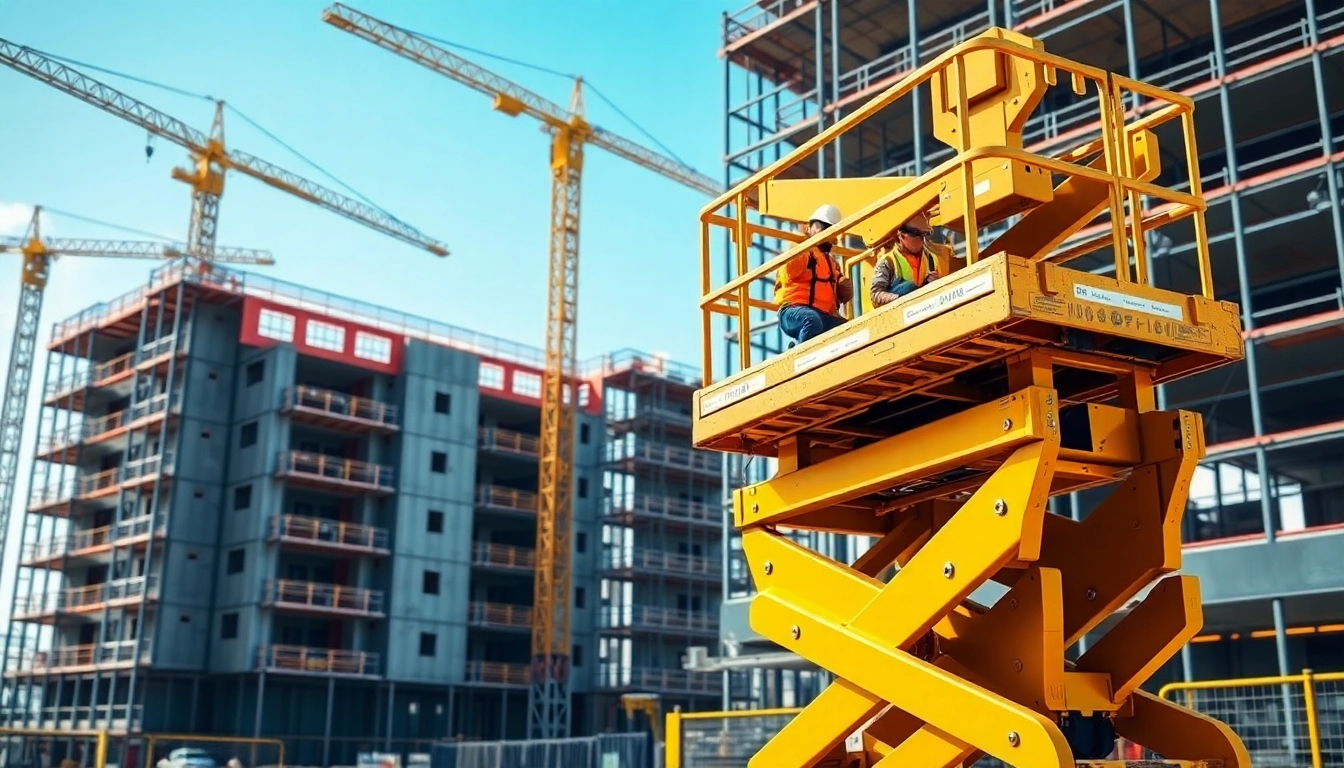
A scissor lift is a type of aerial lift and mobile scaffolding that is used to elevate people and equipment safely to high places. The mechanism of a scissor lift consists of a platform that rises and lowers using a crisscrossed pattern of beams that resemble scissors, allowing for a stable vertical lift. These lifts are typically used in construction, maintenance, and various industrial applications where height is required but traditional ladders or scaffolding cannot suffice.
How Scissor Lifts Work
Scissor lifts operate using hydraulic or electric systems that power the lift mechanism. As the hydraulic fluid is pressed into the cylinder, it causes the scissor arms to extend or retract, creating vertical lift. Electric models are often preferred for indoor use due to their lower noise and emission levels, whereas hydraulic models are ideal for outdoor and rough terrain applications. The movement mechanism is designed for stability and can handle significant weight loads depending on the specifications of the model used.
Key Features of Scissor Lifts
- Height Range: Scissor lifts can typically reach heights from 10 feet to over 70 feet, making them versatile for various tasks.
- Weight Capacity: Depending on the model, these lifts can support payloads of 500 to 2,500 pounds.
- Platform Size: Available in different sizes to accommodate various workloads and crew sizes.
- Drive Type: Options for electric, gasoline, or diesel engines, impacting their mobility and usage environment.
- Safety Features: Includes guardrails, automatic brakes, and tilt sensors to ensure stability and user safety.
Types of Scissor Lifts
Electric vs. Diesel Scissor Lifts
Electric scissor lifts are ideal for indoor operations due to their quieter operation and zero-emission characteristics. They are often equipped with non-marking tires, making them suitable for sensitive surfaces. Diesel-powered scissor lifts, on the other hand, are more suitable for outdoor use. They provide greater power and the ability to traverse rough terrain, making them versatile in different work environments.
Rough Terrain Scissor Lifts
Rough terrain scissor lifts are designed to handle uneven surfaces, gravel, and mud. They feature larger tires and a sturdy build, which allows them to maintain stability in challenging environments. Often used in construction sites, outdoor maintenance, and landscaping, they are equipped with powerful engines that offer better traction and drive capabilities.
Compact Scissor Lifts for Tight Spaces
For jobs in confined spaces, compact scissor lifts are the ideal choice. Typically narrower in width and lower in height, these models allow access to tight work areas without compromising on functionality. They are commonly utilized in warehouse settings, maintenance tasks, and to reach high storage racks or installations.
Safety Precautions When Using a Scissor Lift
Before Operating the Scissor Lift
Prior to usage, it's crucial to conduct a thorough inspection of the scissor lift, checking for any mechanical issues, hydraulic leaks, or damages. Operators should also verify that the workspace is free from overhead obstructions and potential hazards. Additionally, it’s important for operators to receive proper training on the specific model of the scissor lift being used.
Proper Use and Operation Guidelines
Always adhere to the manufacturer's guidelines while operating a scissor lift. This includes ensuring that all safety mechanisms are functional, using proper harnesses when required, and keeping the load within specified weight limits. Operators should avoid sudden movements and instead operate the lift smoothly to maintain balance and stability.
Post-Operation Safety Checks
After using the scissor lift, conduct a post-operation check to ensure all components are intact. This involves cleaning the platform and surrounding area, and properly storing the lift to prevent unauthorized access or damage. Any observed issues should be reported immediately, and maintenance should be performed as necessary.
Renting a Scissor Lift: What You Need to Know
Choosing the Right Scissor Lift for Your Project
Selecting the appropriate scissor lift depends on the specific requirements of your project, including height needs, weight capacity, and operating conditions. Gather all project specifications, and consult rental services to find a model that best meets your needs. Consider factors like the lift's mobility, power source, and safety features to ensure optimal performance on your job site.
Rental Costs and Contracts
Rental costs for scissor lifts vary based on the model, rental duration, and regional demand. Generally, companies offer flexible rental agreements, ranging from daily to monthly rates. It's essential to read and understand the rental contract terms, including insurance coverage and damage policies, before finalizing your rental agreement.
Tips for First-Time Renters
If you're a first-time renter, it's important to do thorough research on the rental company and their equipment offerings. Opt for a reputable supplier that provides well-maintained equipment and clear instructions on operation and safety. Additionally, don't hesitate to ask for a demonstration, showing how to operate the equipment safely and effectively.
FAQs about Scissor Lifts
What is the maximum height a scissor lift can reach?
Scissor lifts can typically reach heights ranging from 10 feet to over 70 feet, depending on the model and specifications.
How much weight can a scissor lift safely hold?
Most scissor lifts can safely hold a weight capacity ranging from 500 to 2,500 pounds, depending on the specific model.
Can I use a scissor lift outdoors?
Yes, scissor lifts can be used outdoors, but it’s important to select a model designed for rough terrain to ensure safety and functionality.
What are the benefits of renting vs. buying a scissor lift?
Renting allows for flexibility without the upfront costs and maintenance responsibilities of ownership, making it cost-effective for short-term projects.
How do I operate a scissor lift safely?
To operate a scissor lift safely, follow the manufacturer guidelines, inspect the lift before use, and maintain balance by keeping loads within specified limits.