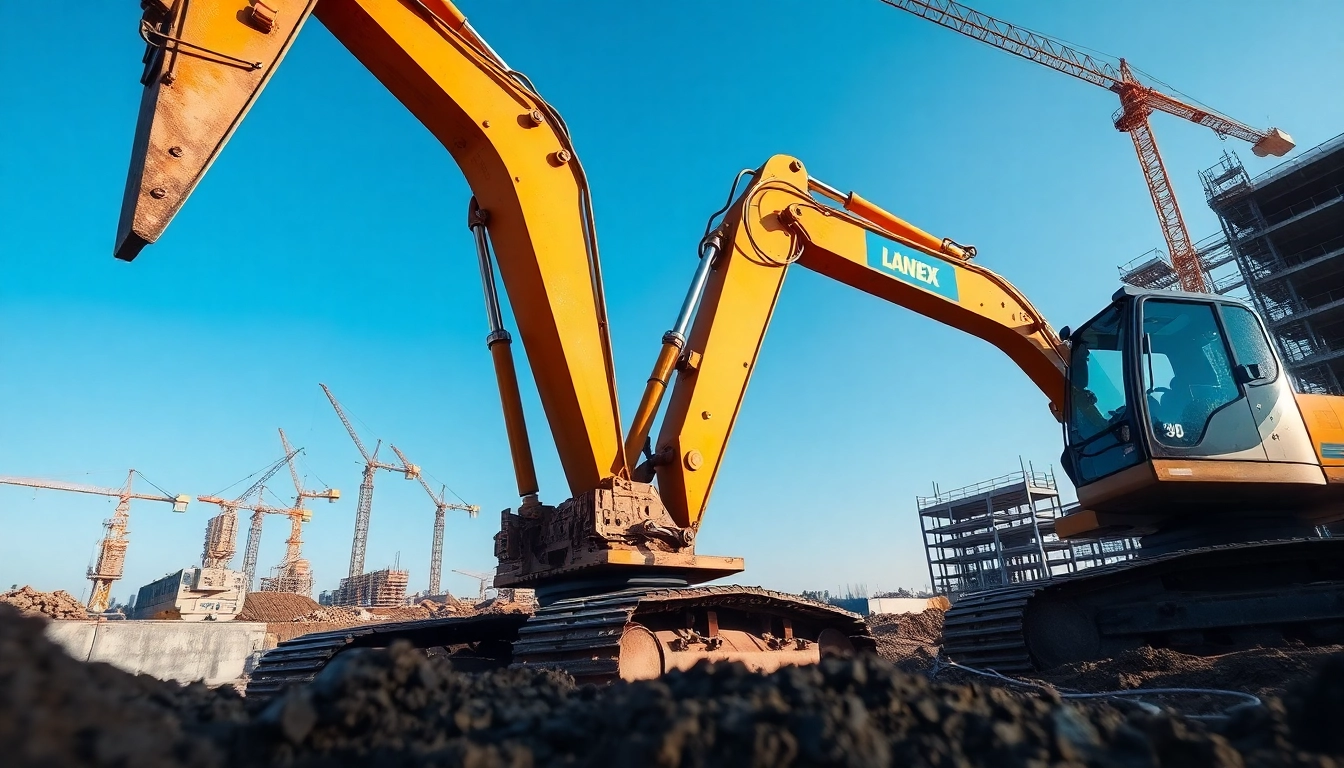
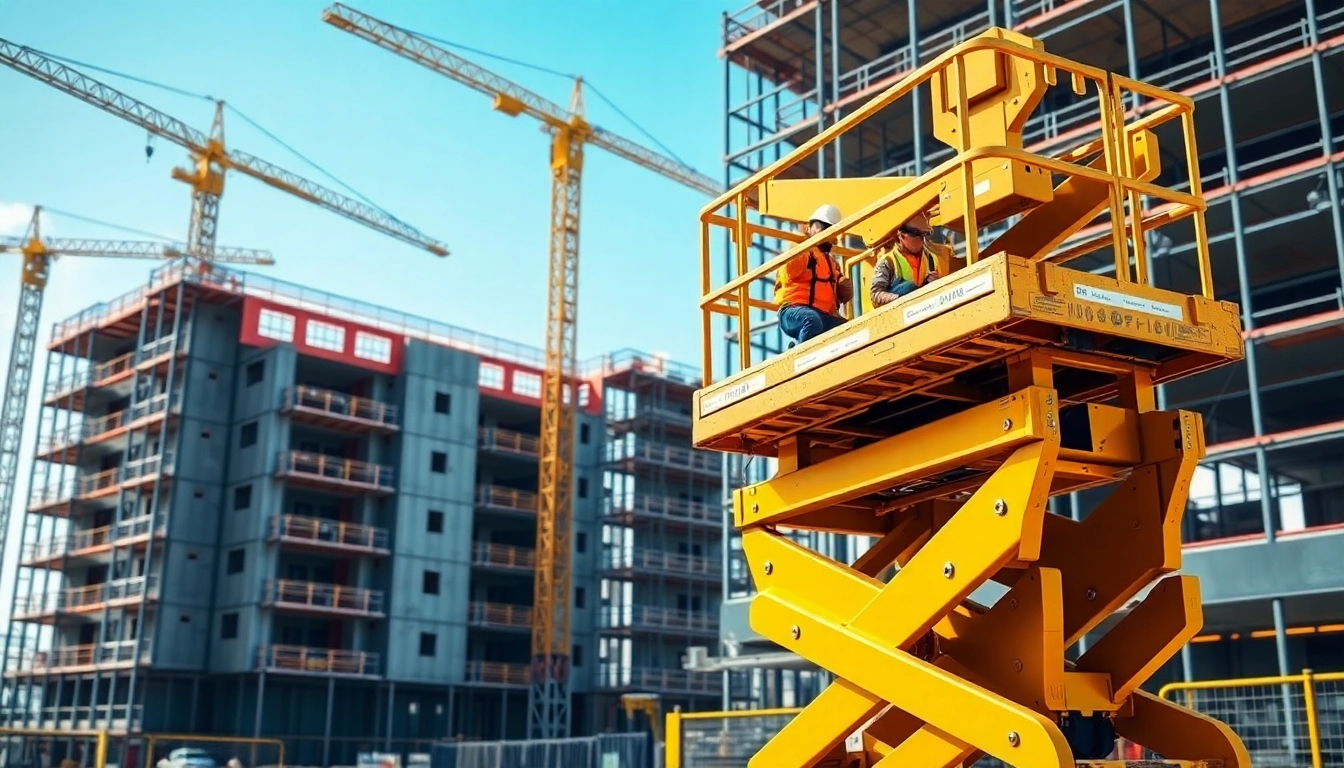
Understanding Construction Safety Training Southern California
Construction sites are often bustling environments filled with potential hazards. Ensuring the safety of all personnel is not only a legal obligation but also a vital part of maintaining operational efficiency and protecting lives. That's where construction safety training southern california comes into play. It is designed to equip workers and managers with the knowledge they need to identify hazards and adhere to safety protocols that keep everyone safe.
Importance of Safety Training
Safety training is crucial in any construction environment. Workers are exposed to various hazards—such as falls, equipment malfunctions, and exposure to harmful substances—that can lead to severe injuries or fatalities. Comprehensive safety training helps mitigate these risks by educating employees about safe practices, promoting awareness, and fostering a culture of safety on job sites.
Legal Requirements and Standards
Various regulations govern construction safety training in Southern California. The Occupational Safety and Health Administration (OSHA) sets forth requirements for workplace safety that all construction companies must abide by. Compliance with these standards not only protects workers but also shields employers from costly fines and legal repercussions. It is essential for construction companies to stay informed about the latest regulations and update their training programs accordingly.
Common Hazards in Construction
Construction sites are fraught with potential dangers. Here are some common hazards that safety training can help address:
- Falls: One of the leading causes of injury and death in the construction industry.
- Struck-by incidents: Injuries resulting from being hit by moving objects or equipment.
- Electrical hazards: Risk of electrocution from exposed wires or faulty equipment.
- Hazardous materials: Exposure to chemicals, asbestos, or other toxic substances without proper precautions.
- Equipment accidents: Injuries caused by improper use or malfunctioning machinery.
Key Components of Effective Training Programs
Curriculum Development
Developing a robust curriculum is the backbone of effective safety training. A well-structured program should cover specific topics tailored to the types of construction work performed. Topics may include:
- Safe use of personal protective equipment (PPE)
- Identification of workplace hazards
- Emergency response procedures
- Specific training relevant to the equipment in use
- Best practices for communication on the job site
Interactive Learning Methods
Engagement is key to successful learning. Incorporating interactive methods such as hands-on demonstrations, group discussions, and real-life scenario simulations can significantly improve retention and understanding. Training sessions should encourage participants to actively participate and ask questions, which helps reinforce the material covered.
Assessment and Evaluation
To gauge the effectiveness of safety training, ongoing assessment is crucial. This can include pre- and post-training evaluations, quizzes, and practical assessments to ensure participants comprehend the material. Regular evaluations can help identify areas needing improvement and validate the training program’s impact on workplace safety.
Tailoring Strategies for Southern California Regulations
State-Specific Safety Guidelines
Southern California has specific safety regulations that construction companies must abide by. Understanding and integrating these state-specific guidelines into training programs is essential. This can involve staying updated on local laws, consulting with experts, and ensuring that training programs align with state mandates.
Addressing Local Environmental Conditions
The environmental conditions in Southern California can present unique challenges, such as heat exposure, earthquakes, and air quality issues. Training programs must address these local environmental factors, ensuring that workers are equipped to handle specific risks associated with their geographical location. This can include heat stress awareness, proper hydration techniques, and protocols for emergency situations.
Incorporating Community Resources
Utilizing local community resources can enhance safety training programs. Collaborating with local safety organizations, educational institutions, and government agencies can provide additional training resources, materials, and expertise. Organizations such as the California Division of Occupational Safety and Health (Cal/OSHA) provide resources that can be integrated into training programs to ensure compliance and enhance learning.
Measuring Training Effectiveness
Tracking Performance Metrics
Measuring the effectiveness of construction safety training requires the establishment of clear performance metrics. Metrics might include tracking incident rates before and after training, monitoring safety compliance, and assessing the time taken to resolve safety issues. Utilizing technology and software solutions can streamline data collection and analysis.
Feedback and Continuous Improvement
Incorporating feedback from trainees is vital for program improvement. Surveys and suggestion boxes can gather insights about the training process, helping to identify strengths and areas for development. A commitment to continuous improvement ensures that safety training evolves alongside emerging hazards, new technologies, and changing regulations.
Case Studies and Success Stories
Highlighting case studies or success stories can serve as powerful motivation for employees. By showcasing instances where safety training prevented injuries, saved lives, or improved workplace relations, organizations can foster a culture of safety. Associating real-world outcomes with training programs underscores their significance and can lead to increased participation in future training sessions.
Frequently Asked Questions About Construction Safety Training Southern California
What are the benefits of construction safety training?
Construction safety training reduces accidents, improves employee morale, enhances compliance with regulations, and boosts productivity. A focus on safety creates a culture where employees feel valued and secure.
How often should safety training be updated?
Safety training should be updated regularly—at least annually, or whenever there are changes in operations, regulations, or equipment. Keeping information current ensures employees are aware of the latest risks and best practices.
Are there online courses available for construction safety?
Yes, many accredited organizations offer online courses for construction safety. These can provide flexible training options while ensuring compliance with safety standards and regulations.
What is the typical duration of safety training courses?
Safety training courses can vary in length from a few hours to several days, depending on the content covered and the depth of training required. Tailoring course duration to meet specific needs is crucial for effective learning.
How do I find certified safety training providers?
You can find certified safety training providers by researching accredited organizations, checking reviews, and consulting local industry associations or safety councils. Ensuring the trainers have proper credentials is essential for effective training.