Understanding Integrated Modular Systems
Integrated Modular Systems (IMS) represent a significant advancement in the way industries approach system design and functionality. These systems combine various components into cohesive units that enhance performance, efficiency, and flexibility in both manufacturing and operational processes. In the context of water treatment, IMS offers unique solutions that address complex challenges in wastewater management and purification. When exploring options, Integrated Modular Systems provide comprehensive insights into innovative technologies and methodologies that streamline water treatment processes.
What Are Integrated Modular Systems?
Integrated Modular Systems refer to the strategic combination of modular components into a single framework, enhancing their ability to perform multiple functions simultaneously. These systems can be customized to meet specific operational requirements, making them especially valuable in industries with diverse needs such as water treatment, construction, and manufacturing.
Key Features of Integrated Modular Systems
- Modularity: The fundamental characteristic allowing individual components to operate independently while contributing to a collective system performance.
- Scalability: These systems can be easily expanded or modified to accommodate changing operational demands.
- Interoperability: Components designed to work seamlessly together, ensuring compatibility and enhanced functionality.
- Efficiency: Streamlined processes that reduce the time and resources needed for system implementation and operation.
Benefits of Modular Water Treatment Solutions
Modular solutions in water treatment deliver numerous advantages, including:
- Cost-Effectiveness: Reduced installation and operational costs due to prefabrication and streamlined processes.
- Faster Deployment: Modular systems can be constructed off-site, significantly shortening project timelines.
- Improved Flexibility: Easy adjustments can be made based on evolving regulatory demands or operational needs.
- Enhanced Performance: Integrating advanced technologies leads to higher efficiency rates in water treatment processes.
Core Offerings of QILEE’s Integrated Modular Systems
Integrated Membrane Water Treatment System
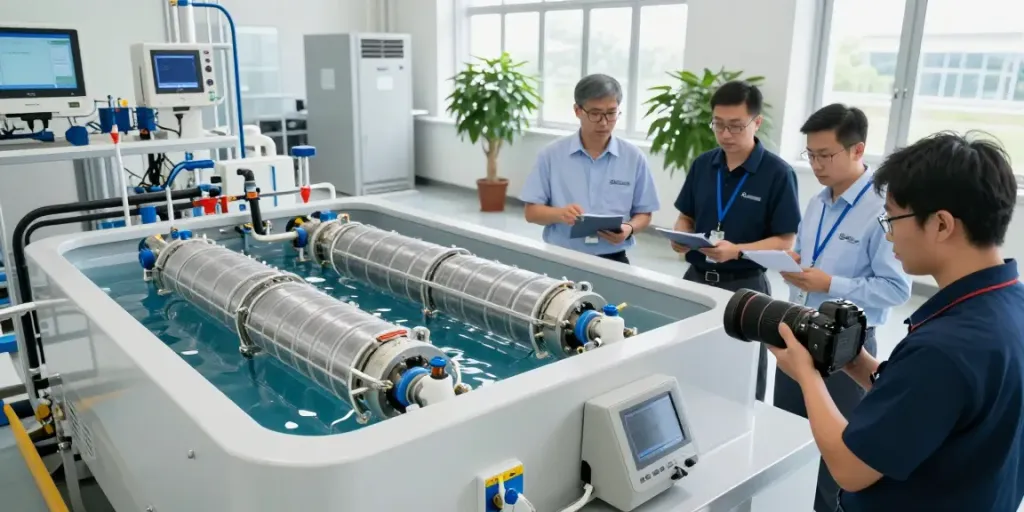
QILEE’s Integrated Membrane Water Treatment System utilizes advanced filtration techniques to effectively remove contaminants from water sources. This technology is particularly beneficial for industrial applications requiring high purity water.
Chemical Treatment System Explained
The Chemical Treatment System is designed to apply a range of chemical dosages for effective water conditioning, disinfection, and pollutant removal. This system integrates seamlessly with existing facilities to enhance water quality and meet regulatory standards.
DAF Integrated Treatment System Features
QILEE’s Dissolved Air Flotation (DAF) Integrated Treatment System combines chemical dosing with sludge dewatering capabilities. This compact system is ideal for treating wastewater with suspended solids, offering stability and operational reliability in various environments.
Applications of Integrated Modular Systems in Water Treatment
Municipal Water Treatment Applications
Integrated Modular Systems are increasingly being deployed in municipal water treatment facilities. Their design allows for efficient processing of large volumes of wastewater, meeting community needs while adhering to environmental regulations.
Industrial Wastewater Treatment
Industries such as pharmaceuticals, textiles, and food processing utilize modular systems to manage wastewater effectively. These systems help reduce the environmental footprint while ensuring compliance with health and safety standards.
Case Studies of Success Using Modular Systems
Numerous case studies illustrate the success of Integrated Modular Systems in water treatment. For instance, a municipal facility in Shanghai implemented QILEE’s DAF System, significantly improving treatment efficiency and reducing operational costs by over 30%.
Challenges and Solutions in Implementing Integrated Modular Systems
Common Pitfalls and Misconceptions
One common misconception is that modular systems are only suitable for small-scale operations. In reality, they can be customized for large-scale applications as well.
Best Practices for Deployment
Effective implementation of Integrated Modular Systems requires careful planning, stakeholder engagement, and a thorough understanding of site-specific conditions. Conducting a detailed feasibility study is crucial to align system capabilities with operational goals.
Measuring Success and Performance Metrics
Success metrics for Integrated Modular Systems include cost savings, efficiency rates, and compliance with regulatory standards. Regular monitoring and optimization ensure that systems perform at their best.
The Future of Integrated Modular Water Treatment Systems
Emerging Trends in Water Treatment Technologies
The future of water treatment is driven by innovations in technology, such as AI-based monitoring systems, real-time data analytics, and enhanced filtration techniques. These trends suggest a continued shift towards more efficient and user-friendly systems.
Sustainability and Environmental Impact
Environmental sustainability remains a priority, with modular treatment systems designed to minimize waste and maximize resource recovery. The adoption of green technologies will play a key role in shaping future systems.
Predictions for 2026 and Beyond
By 2026, we anticipate significant advancements in modular water treatment technologies, with an emphasis on automation and integration of renewable energy sources. These changes will redefine operational efficiency and environmental stewardship in the water sector.
What Are the Key Benefits of Choosing Modular Systems?
Choosing Integrated Modular Systems provides flexibility, scalability, and improved performance. These systems allow organizations to adapt quickly to changing conditions and regulatory requirements, ultimately leading to enhanced operational efficiency.
What is the Cost of Implementing Modular Treatment Solutions?
The cost varies significantly based on the size and complexity of the system. However, organizations often find that the initial investment is outweighed by long-term savings and operational efficiencies.
How Do Integrated Modular Systems Compare to Traditional Methods?
Traditional water treatment methods often involve fixed, rigid systems, making them less adaptable to change. In contrast, Integrated Modular Systems offer a more agile approach, allowing organizations to adjust their setups as needed.
What Industries Benefit Most from Modular Water Treatment?
Industries such as food and beverage, pharmaceuticals, and manufacturing are prime candidates for modular water treatment solutions. These sectors benefit from enhanced compliance capabilities and operational efficiencies, helping them meet stringent regulatory requirements.