Understanding Excavators
Definition and Types of Excavators
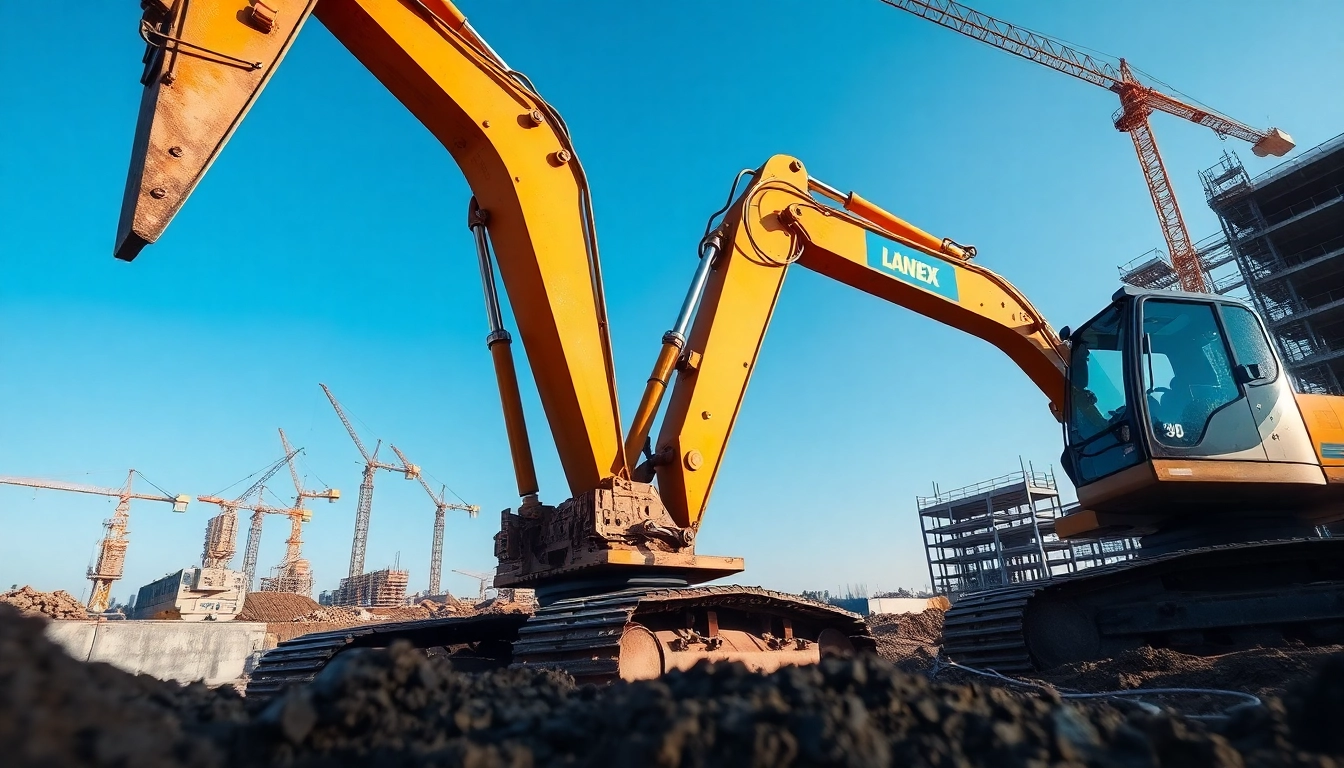
An excavator is a heavy construction equipment consisting of a boom, bucket, and cab on a rotating platform, known as the house. This versatile machine is fundamental in the construction, demolition, and landscaping industries. Excavators can be classified primarily by their size, weight, and operational purpose. The main types include:
- Mini Excavators: Ideal for small projects where space is limited, mini excavators typically weigh less than 6 tons.
- Standard Excavators: Ranging from 6 to 45 tons, standard excavators are the workhorse of construction sites, suitable for a wide variety of heavy-duty tasks.
- Large Excavators: Weighing over 45 tons, these are used for intensive infrastructure projects, such as highway construction and large-scale land clearing.
- Long Reach Excavators: Equipped with extended booms, these excavators can reach further without moving the entire machine, ideal for tasks like dredging and deep excavation.
- Wheeled Excavators: These machines combine the mobility of a wheel chassis with the capabilities of traditional excavators, making them suitable for urban environments.
Key Components of Excavators
Each excavator is composed of several important components that enable its functionality and versatility:
- Boom: The arm of the excavator, which connects to the bucket and allows for lifting and digging operations.
- Bucket: The component that does the actual digging, which can vary in size and width based on the excavator's application.
- CAB: The operator's compartment, which includes controls and sometimes technological features for better visibility and comfort.
- Tracks or Wheels: These provide mobility for the excavator, with tracks offering better stability on uneven terrain.
- Hydraulic System: This system works to power the boom, stick, and bucket, enabling precise operation.
- Counterweight: Placed at the rear of the excavator to provide balance during operation, especially when lifting heavy loads.
Common Applications of Excavators
Excavators are used in various applications across multiple industries:
- Excavation: As the name suggests, excavators are primarily used for digging trenches, foundations, and holes for new structures.
- Demolition: Due to their strength, excavators are equipped with specialized attachments like hydraulic hammers for demolishing buildings.
- Landscaping: Excavators can assist with grading, earthmoving, and clearing land for landscaping projects.
- Material Handling: With the right attachments, excavators can be used for loading and unloading materials on and off construction sites.
- Mining: In the mining sector, excavators are crucial for removing overburden and extracting materials.
Factors to Consider When Selecting an Excavator
Choosing the right excavator involves understanding the specific needs of your project. Here are some critical factors to consider:
Project Requirements and Scope
Before selecting an excavator, assess the scale and intricacies of your project. Ask yourself:
- What is the purpose of excavation? (Trenching, grading, demolition)
- What volume of material needs to be moved?
- How deep or wide does the excavation need to be?
- Are there specific materials that require different types of buckets?
Understanding the requirements allows you to choose an excavator with the right specifications and capabilities to efficiently complete the project.
Site Conditions and Accessibility
The accessibility of the job site heavily influences your choice:
- Are the terrains rugged or sloped? Excavators with wider tracks offer better stability on uneven surfaces.
- Is the site compacted with limited access? Mini excavators may be more suitable for confined spaces.
- What is the condition of the ground? Soft or swampy areas may require a specific type of excavator with upgraded features for better traction.
Excavator Specifications and Features
Evaluate the technical specifications of the excavators available:
- Digging Depth: Determine how deep the excavator can dig effectively.
- Operating Weight: Heavier machines often have better stability and can handle bigger loads.
- Hydraulic Flow Rate: This affects the performance of attachments like hammers and augers.
- Cab Utilities: Modern excavators come with advanced control systems, GPS, and monitoring functionalities.
Excavator Operation Best Practices
Operating an excavator safely and efficiently requires following best practices to maximize productivity and minimize risks.
Safety Protocols and Training
Employee training is crucial to ensure safety during excavator operation:
- Conduct regular safety briefings and reviews of operational protocols.
- Ensure operators understand machine controls before use.
- Utilize personal protective equipment (PPE) at all times while operating and on-site.
- Implement safety features like backup alarms and light signals to enhance site safety.
Maintenance and Inspection Routines
Regular maintenance is vital for the longevity of an excavator:
- Perform daily visual checks before operation, focusing on fluid levels, tracks, and bucket wear.
- Schedule routine service checks every 250 hours, focusing on the hydraulic system and filters.
- Plan for seasonal checks, especially for machines working in extreme conditions.
Fuel Efficiency Tips
Operating an excavator efficiently can save costs significantly:
- Use the right attachments for specific tasks to reduce strain.
- Avoid excessive idling and ensure proper shutdown protocols are followed.
- Maintain regular servicing to keep the machine running at optimal efficiency.
Advanced Features and Technology in Excavators
The evolution of excavators includes several advanced features that enhance performance and efficiency:
Telematics and Remote Monitoring
Telematics allows operators and owners to monitor the machine’s performance in real-time:
- Track operational hours, fuel usage, and service schedules easily.
- Receive predictive maintenance alerts to anticipate service needs.
- Enhance fleet management capabilities with location tracking and usage reports.
Automation in Excavator Operation
Emerging technologies are introducing automation, improving precision and reducing human error:
- Automated controls can adjust digging depth and angle automatically, based on project requirements.
- Integration with drones for real-time data collection enhances project planning and execution.
- Operator assistance features make it easier for less experienced users to operate effectively.
Eco-Friendly Technologies
As environmental concerns grow, excavators are incorporating sustainable technologies:
- Hybrid models that reduce fuel consumption and emissions are becoming more common.
- Efficient hydraulic systems minimize energy waste and enhance machine longevity.
- Smart features that shut down systems when not in use further bolster eco-conscious operation.
Frequently Asked Questions About Excavators
What is the average lifespan of an excavator?
The average lifespan of an excavator is typically 10,000 to 20,000 operating hours, depending on usage and maintenance.
Can excavators be used for landscaping?
Yes, excavators are versatile and can be effectively used for landscaping tasks, including land grading and tree removal.
What size excavator do I need for my project?
The size of the excavator depends on the scale of your project; consider the weight and depth of the materials being handled.
How often should an excavator be serviced?
Excavators should be serviced after every 250 hours of operation to ensure efficiency and prevent potential issues.
Are there leased excavators available?
Yes, many companies offer excavators for lease, allowing you to use them for specific projects without the commitment of ownership.