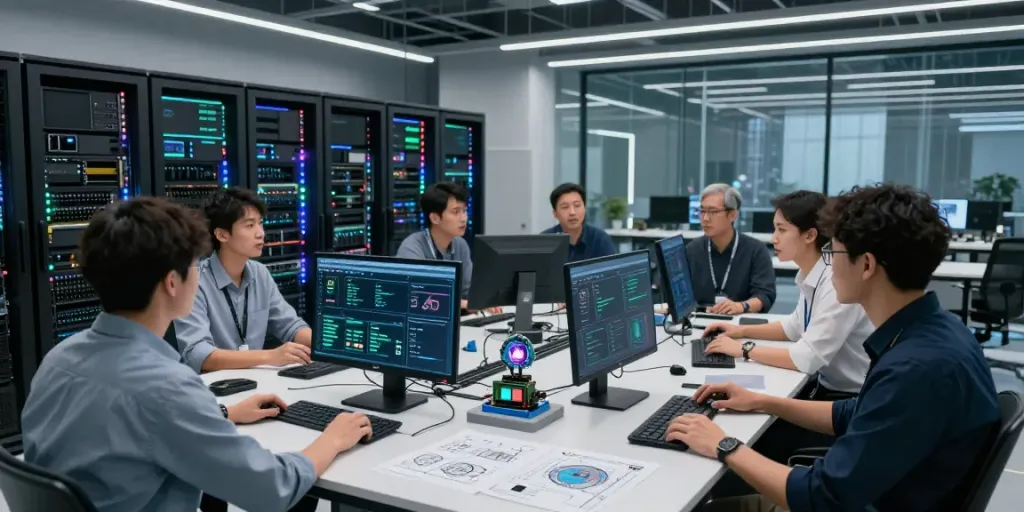
Understanding AI Image Detection Technology
AI image detection technology has rapidly evolved, becoming an essential tool in various sectors, from journalism to social media. As the presence of AI-generated images proliferates, the need for reliable detection methods has never been greater. The ability to distinguish between genuine and AI-created visuals is crucial for maintaining credibility in digital communications. In this exploration of AI image detectors, we will delve into their functions, significance, and the future they may carve out in our increasingly digital world. When exploring options, AI Image Detector provides comprehensive insights that can aid this critical endeavor.
What is an AI Image Detector?
An AI image detector is an advanced software application designed to analyze images and determine whether they have been generated by artificial intelligence or manipulated by digital means. These detectors utilize machine learning algorithms and vast databases of images to train their models in identifying features that differentiate real photos from those created by AI technologies such as DALL·E, MidJourney, or Stable Diffusion. The underlying principle involves detecting patterns, anomalies, and unnatural elements indicative of AI generation.
The Importance of AI Image Detection in Today’s Digital Landscape
In an era where misinformation and manipulated content can spread rapidly across social networks, AI image detection plays a pivotal role in combating deceitful practices. It helps ensure the integrity of visual media, which is increasingly important for news organizations, marketers, and any individuals relying on images to convey their messages. By leveraging AI image detectors, users can uphold authenticity and trust in their digital communications, ultimately fostering a more informed society.
Key Features of Effective AI Image Detectors
- Speed: The ability to analyze images quickly is crucial for real-time implementations.
- Accuracy: High precision in identifying AI-generated images helps reduce false positives.
- User-Friendly Interface: A simple interface allows users, regardless of technical savvy, to utilize the technology effectively.
- Integration Capabilities: Effective AI image detectors can integrate seamlessly with existing workflows and platforms.
- Comprehensive Reporting: Providing users with detailed insights and analytics on detected images enhances usability and understanding.
How AI Image Detectors Work
The Underlying Technology: Machine Learning and Algorithms
AI image detection fundamentally relies on machine learning algorithms, which are trained on datasets containing both AI-generated and real images. These algorithms learn to recognize specific attributes that signify an image's origin. They analyze aspects such as pixel patterns, color distributions, and contextual relevance within the image, allowing the detector to ascertain whether an image deviates from natural creation methods.
Training Data and Its Impact on Detection Accuracy
The quality and diversity of training data are vital to the effectiveness of an AI image detector. Comprehensive datasets that include a wide range of AI-generated images ensure that the detecting algorithms can learn to distinguish between various models and styles. The broader the dataset, the better the model performs in real-world scenarios. Continuous retraining of models also helps improve accuracy over time, particularly as new AI generation techniques emerge.
Real-Time Image Analysis: How It Functions
Real-time image analysis allows AI image detectors to provide immediate feedback on images uploaded by users. This process typically involves several steps: preprocessing the image for optimal analysis, running the image through the detection algorithm, and generating a report highlighting the likelihood of AI generation. This swift turnaround is essential for users who need to make instantaneous decisions based on the authenticity of images.
Challenges in AI Image Detection
Common Misconceptions About AI Image Detectors
Despite their advancements, many misconceptions surround AI image detectors. A prevalent belief is that these detectors can guarantee 100% accuracy. However, like all machine learning systems, they are not infallible. Factors such as image quality, context, and the sophistication of AI generation techniques can impact detection performance. Users must remain aware of these limitations to ensure that their reliance on AI image detectors is pragmatic.
Limitations and Pitfalls of Current Technology
Current AI image detection technologies face several limitations. For instance, some models struggle with images that contain subtle alterations or those that are heavily stylized, often leading to misclassification. Privacy concerns also arise when uploading personal images to online detection services, as users may be reluctant to share sensitive visuals. Addressing these challenges is essential for enhancing user trust and improving technology efficacy.
Addressing Accuracy and Performance Issues
To enhance accuracy and performance, developers of AI image detectors continuously refine their algorithms and expand their training datasets. Utilizing techniques like ensemble learning, where multiple models are deployed simultaneously, can also improve detection rates. Regular updates and community feedback loops are vital in adapting to the ever-evolving landscape of AI-generated content.
Best Practices for Utilizing AI Image Detectors
Integrating AI Image Detectors into Your Workflow
For organizations looking to implement AI image detectors, seamless integration into existing workflows is crucial. This involves convenient access to detection tools, whether through APIs or direct interfaces, allowing users to easily verify images without hindering their productivity. Training staff on how to utilize these tools effectively will also enhance overall operational efficiency.
Measuring Success: Metrics for Evaluation
Success in utilizing AI image detectors can be measured through various metrics, including detection accuracy (true positive rate), user satisfaction scores, and the reduction of misinformation propagation. Establishing clear benchmarks will help organizations assess the effectiveness of their chosen detection solutions over time.
Case Studies: Successful Implementations
- News Organizations: Many newsrooms have integrated AI image detectors to vet images before publication, which has led to higher trust ratings among audiences.
- Social Media Platforms: Platforms are employing AI detection tools to mitigate the spread of fake news, enhancing user experience and decreasing misinformation.
- Educational Institutions: Schools are using these detectors to educate students on digital literacy and the importance of verifying sources in an age of information overload.
The Future of AI Image Detection (2026 and Beyond)
Emerging Trends in AI Image Detection Technology
As we look toward 2026, emerging trends in AI image detection are set to revolutionize the field. Advanced algorithms utilizing neural networks and deep learning will likely improve detection capabilities dramatically. Moreover, the integration of augmented reality (AR) may create visual interfaces enabling users to interact with detected content more intuitively.
Predictions for Advancements in 2026
By 2026, we anticipate that AI image detectors will not only improve in accuracy but also become more accessible. Innovations such as mobile applications and browser extensions will facilitate real-time detection on various platforms. Furthermore, the rise of decentralized systems may enable privacy-preserving detection methods, ensuring user data remains protected.
Preparing for Future Developments in AI and Image Technology
Staying ahead in the rapidly evolving landscape of AI and image technology requires continuous education and adaptability. Stakeholders must be proactive in learning about new detection methods, as well as potential regulatory changes surrounding AI-generated content. Moreover, fostering partnerships with technology providers will ensure access to cutting-edge tools.
What Are the Risks?
Despite the benefits, there are inherent risks associated with AI image detection. Misuse of detection tools, such as unjustly flagging legitimate content, poses ethical concerns. Additionally, as detection technologies evolve, so too do the methods for creating convincing AI-generated images. This cat-and-mouse game necessitates ongoing vigilance and ethics-driven strategies.
How Can Users Stay Informed?
To navigate the complexities of AI and image detection, users should engage with industry publications, attend relevant conferences, and participate in online forums. Staying informed about technological advancements and emerging challenges will empower organizations to utilize AI image detectors effectively while mitigating risks associated with misinformation.