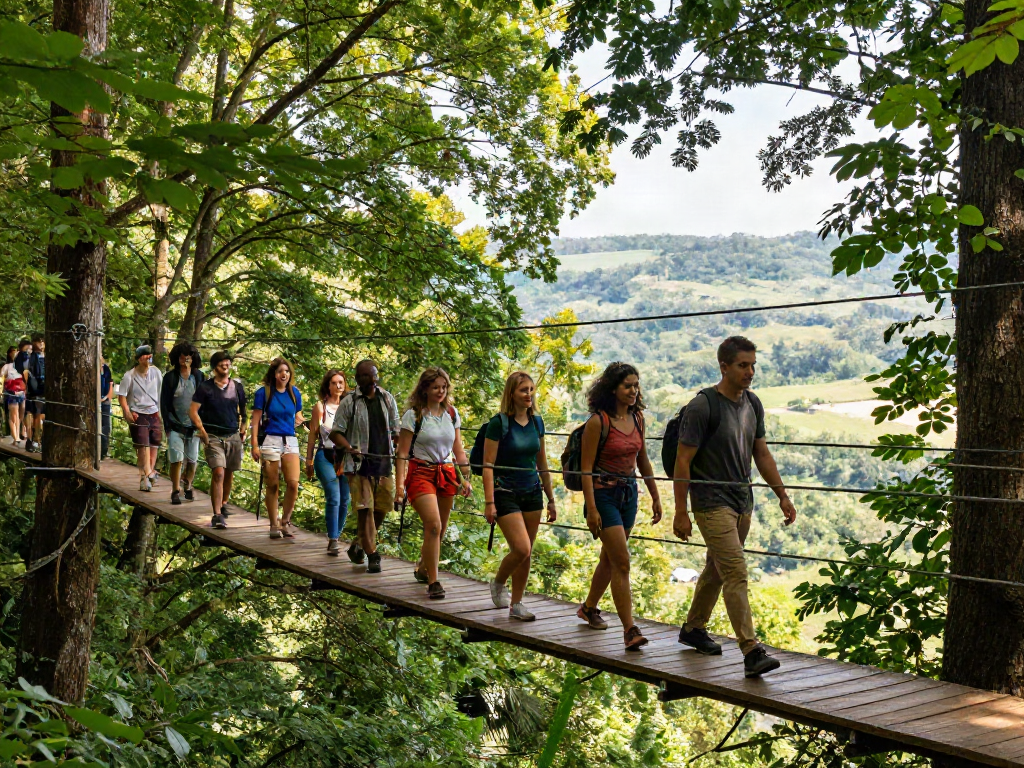
Introduction to the Treetop Walkway Experience
The allure of nature often beckons us to explore its hidden wonders, and few experiences are as captivating as a walk at treetop level. Treetop walkways offer a unique vantage point, allowing visitors to experience the forest canopy in an entirely new way. Elevated high above the ground, these structures grant access to a rich ecosystem teeming with life, promoting a sense of adventure while fostering a deeper connection to nature. With numerous treetop walkways scattered across the globe, each with its own distinct charm and appeal, the journey into the treetops is one that promises awe and education alike. When exploring options, Treetop Walkway provides comprehensive insights into various treetop experiences.
What is a Treetop Walkway?
A treetop walkway is an elevated path that allows visitors to walk among the branches of trees, generally constructed with materials designed to blend seamlessly with the surrounding environment. These walkways typically reach heights of 10 to 70 feet and may be made from wood, steel, or a combination of both, featuring rope bridges, platforms, and observation decks. The design of a treetop walkway harmonizes architecture with nature, providing an unobtrusive approach to experiencing the forest’s beauty from above.
Benefits of Walking Among the Treelines
Walking among the treelines provides countless benefits to visitors, both physically and mentally. Some of these benefits include:
- Connection with Nature: Being situated among the trees and wildlife can evoke a profound sense of peace and tranquility, reducing stress and anxiety.
- Unique Perspectives: Treetop walkways offer breathtaking views of the forest canopy, allowing visitors to observe wildlife and plant life in a way that is not possible from the ground.
- Educational Opportunities: As visitors traverse these paths, they often encounter informative signage that details the flora and fauna, enhancing their understanding of the ecosystem.
- Physical Activity: Walking among the trees encourages physical activity, making it an excellent way for families to engage in healthy exercise together.
The Unique Ecosystem Above Ground
Far above the forest floor lies a vibrant ecosystem brimming with biodiversity. The upper canopy houses a myriad of species, including birds, insects, and mammals, that rely on this habitat for survival. By walking within this elevated realm, visitors gain insight into how trees interact with their environment, serving as homes and food sources for countless organisms.
Many treetop walkways incorporate designs that avoid disturbing this delicate balance, allowing for a coexistence that benefits both visitors and wildlife. Additionally, many walkways integrate educational stations where guests can learn about the various species that inhabit the canopy, thereby heightening ecological awareness.
Top Treetop Walkways Around the World
Iconic Treetop Walkway Locations in 2026
As treetop walkways gain popularity, several iconic locations have emerged as must-visit destinations:
- Royal Botanic Gardens, Kew (UK): This stunning walkway rises to 18 meters, allowing visitors to experience the rich biodiversity of the botanical gardens while providing a unique aerial view.
- Wild Walk at The Wild Center (USA): Nestled in the Adirondacks, this walkway features imaginative structures like a twig tree house and a spider web climbing area, making it ideal for families seeking adventure.
- Canopy Walkway, Tanglewood Nature Center (USA): Set against the backdrop of the Southern Tier’s woodland, this walkway offers a serene yet thrilling experience 70 feet above the ground.
- Murch Canopy Walk, Holden Arboretum (USA): Spanning 500 feet and soaring 65 feet high, this walkway provides an immersive experience into the world of trees.
Comparative Analysis of Length and Design
Each treetop walkway varies significantly in terms of length, design, and experience. For instance, the Wild Walk features an interactive design with hands-on exhibits, while Kew's walkway prioritizes environmental conservation with a focus on botanical education. Visitors can choose their adventure based on the type of experience they seek, whether it’s educational, adventurous, or simply a peaceful walk among the branches.
Visitor Experiences and Testimonials
Feedback from visitors highlights the transformative nature of treetop walkways. Many describe the experience as 'magical,' with one visitor stating, 'Walking among the trees made me feel like a part of the forest.' Families often appreciate the educational aspects, noting that children are particularly captivated by the chance to see nature from a new perspective. Such testimonials underscore the importance of treetop walkways in promoting environmental appreciation and fostering a love for the great outdoors.
Planning Your Visit to Treetop Walkways
What to Expect During Your Journey
Visitors to a treetop walkway can anticipate a unique blend of adventure and education. Upon arrival, many walkways offer guided tours or audio guides to enhance the experience. As one ascends into the treetops, a sense of anticipation is palpable, often accompanied by stunning views and the sounds of wildlife. The pathways are designed to accommodate a wide range of visitors, making them accessible to families and individuals of all ages.
Essential Gear for a Safe and Enjoyable Experience
While treetop walkways are designed with safety in mind, there are essential items that can enhance the experience:
- Comfortable Footwear: Sturdy shoes are crucial, as walkways may have uneven surfaces.
- Water and Snacks: Staying hydrated and energized will make the experience more enjoyable.
- Cameras and Binoculars: Capture the beauty and wildlife you encounter along the way.
- Weather-Appropriate Clothing: Dress in layers to adapt to changing weather conditions, especially as you ascend into the canopy.
Best Times to Visit: Seasonal Considerations
The timing of your visit can greatly influence your experience. Spring and autumn are often regarded as the best seasons for treetop walks, offering mild weather and stunning foliage. In spring, flowers bloom and wildlife becomes more active, while autumn provides a spectacular display of colours. Summer can also be enjoyable, but it may be more crowded, so planning for early morning visits can help you avoid peak times.
Conservation and Ecological Impact of Treetop Walkways
How Treetop Walkways Promote Environmental Awareness
Treetop walkways serve as more than just recreational paths; they are vital tools for promoting environmental awareness. By placing visitors within the canopy, these structures foster a connection between humans and nature, encouraging stewardship of these vital ecosystems. Many walkways include educational displays that inform visitors about local flora and fauna, as well as conservation efforts aimed at preserving these habitats.
Case Studies on Ecological Preservation Efforts
Several treetop walkways have integrated conservation projects into their frameworks. For example, the design of the canopy walk at Kew Gardens was specifically tailored to minimise disruption to the local ecosystem, while providing an educational platform for visitors. The success of such projects demonstrates that treetop walkways can play an essential role in both recreation and conservation.
The Role of Community Engagement in Conservation
Community involvement is crucial for the success of treetop walkways. Local educational programs and conservation initiatives not only attract visitors but also actively engage residents in the preservation of their natural surroundings. Many walkways encourage local schools to participate in conservation activities, fostering a culture of environmental responsibility among younger generations.
Future Trends in Treetop Walkway Developments
Technological Innovations Enhancing Visitor Experience
The future of treetop walkways is bright, with ongoing advancements in technology set to enhance visitor experiences. Augmented reality (AR) applications, for instance, may allow guests to interact with their surroundings in innovative ways, providing information about the trees and wildlife in real time.
Sustainable Practices in Walkway Construction
As sustainability becomes increasingly important, the construction of new treetop walkways will likely follow eco-friendly practices. This includes using recycled materials and designing walkways that have minimal impact on the surrounding environment, ensuring that nature remains undisturbed.
Predictions for Treetop Walkways Beyond 2026
Looking ahead, the popularity of treetop walkways is expected to continue to grow, attracting more visitors seeking immersive natural experiences. As more locations develop these structures, we can expect to see a greater emphasis on educational opportunities and conservation initiatives, further cementing their role in fostering a connection to nature.
Is the Treetop Walkway Worth It?
The value of a treetop walkway extends beyond mere entertainment; it presents an opportunity to engage with nature in a meaningful way. For those who appreciate the outdoors, the unique perspective offered by a treetop walkway is often deemed invaluable.
Where is the Nearest Treetop Walkway?
Finding a treetop walkway near you can be as simple as searching online. Many websites provide comprehensive lists of nearby walkways, along with user reviews and detailed descriptions of what to expect.
How Long is the Average Treetop Walk?
The length of treetop walks can vary considerably, with many averaging around 500 to 1,500 feet. A typical stroll might take anywhere from 30 minutes to an hour, depending on the walkway’s design and how frequently visitors stop to enjoy the scenery.
What Safety Measures Are in Place on Treetop Walks?
Safety is a top priority for treetop walkways. Most structures are designed with strong, durable materials and include safety rails, non-slip surfaces, and regular inspections to ensure that visitors can explore the treetops without concern.
Are Treetop Walkways Suitable for All Ages?
Generally, treetop walkways are designed to be accessible to visitors of all ages. However, it is important for families with young children to supervise them closely, as the height may be daunting for some. Most walkways also provide information on accessibility for those with mobility challenges.