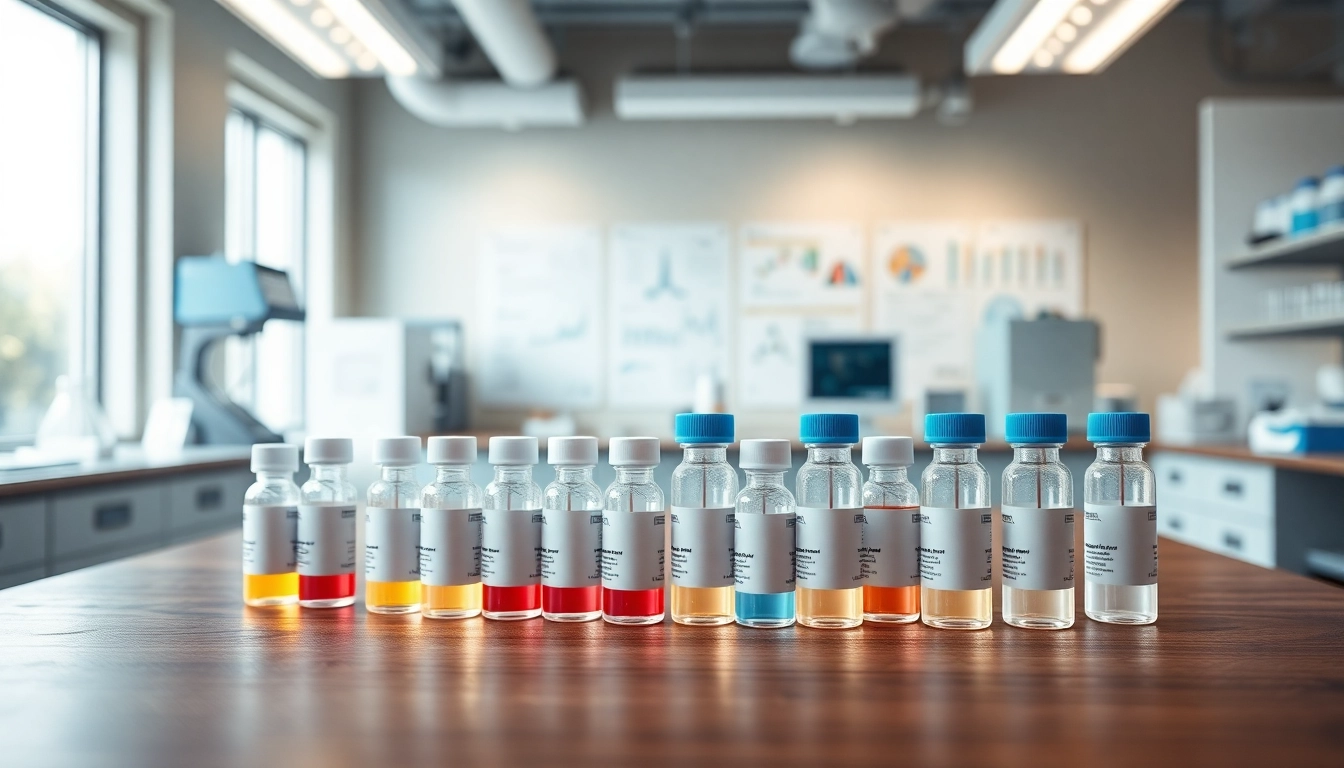
Understanding Research Peptides
What are Research Peptides?
Research peptides are short chains of amino acids that play crucial roles in various biological functions within the body. These sequences of amino acids benefit researchers by allowing them to study specific biological processes and pathways. Unlike conventional drugs, peptides have a distinct mechanism of action, often mimicking or influencing bodily hormones, neurotransmitters, and growth factors. They can also help facilitate communication between cells, thereby regulating numerous physiological activities.
The Role of Research Peptides in Science
The significance of research peptides lies in their extensive application in biochemical and medical research. Their potential for safely modulating biological activity makes them valuable tools in drug development and therapeutic interventions. Researchers utilize peptides to dissect cellular functions, examine disease mechanisms, and develop targeted therapies with minimized side effects. By offering a versatile platform for experimentation, research peptides contribute significantly to advancements in personalized medicine and regenerative therapies.
Common Applications of Research Peptides
Research peptides are employed in various fields, including:
- Drug Development: New therapies often begin with peptide-based compounds, which can be modified to enhance efficacy.
- Diagnostics: Peptides can be utilized as biomarkers, aiding in disease identification and progression monitoring.
- Therapeutics: Many peptides are designed to treat conditions like diabetes, cancer, and autoimmune diseases by precisely targeting problematic biological pathways.
- Cosmetic Science: Peptides are used in skincare formulations to promote collagen production and enhance skin quality.
Choosing Quality Research Peptides
Identifying Reliable Suppliers
When sourcing research peptides, it is paramount to choose reputable suppliers that adhere to stringent quality control measures. Look for suppliers that offer transparent testing results, including Certificate of Analysis (CoA), which confirms the identity and purity of their products. Checking customer reviews, industry certifications, and whether the supplier engages in ethical marketing practices can also provide insight into their reliability. Many researchers turn to platforms that specialize in peptides for sale to ensure access to high-quality products.
Assessing Purity and Potency
Purity and potency are critical factors that determine the effectiveness of research peptides. Analyzing the available purities—typically expressed as a percentage—can guide researchers in assessing product quality. High-quality peptides should demonstrate a purity of 95% or greater. Additionally, assessing potency through comparative studies can verify that the peptide performs its intended function. Using specialized analytical techniques such as High-Performance Liquid Chromatography (HPLC) can assist researchers in determining the structural integrity of peptides.
Regulatory Considerations in Peptide Purchase
Understanding the legal and regulatory landscape surrounding peptide acquisition is essential. National and international regulations can vary, affecting the sourcing process. Researchers must comply with guidelines regarding the purchase, storage, and application of peptides, especially if they involve human subjects. Awareness of regulations from governing bodies like the FDA ensures that researchers maintain legal integrity in their work.
Handling and Storage of Peptides
Best Practices for Peptide Storage
Proper handling and storage of research peptides are crucial to preserving their stability and efficacy. Most peptides require storage in a cool, dry environment away from direct sunlight. Peptides are often stored at temperatures between -20°C and -80°C to prevent degradation. Utilizing airtight containers with desiccants can help mitigate moisture exposure, which can lead to hydrolysis and loss of activity.
Avoiding Contamination
Contamination of peptides can occur during both handling and storage. To avoid impurities, it is advisable to use sterile techniques when accessing peptide solutions. Ensure all equipment used is clean and—if necessary—autoclaved to eliminate potential contaminants. Implementing a strict protocol that includes regular cleaning of work surfaces and using disposable pipette tips can also reduce contamination risks.
Expiration and Stability of Peptides
Understanding the expiration and stability of peptides is vital for effective research outcomes. Most peptides have a shelf life ranging from several months to a few years, depending on their composition and storage conditions. Regularly monitoring the condition of peptides through visual inspection and analytical testing can ensure they maintain their efficacy throughout their lifespan. Once a peptide's expiration date has passed, it is advisable to dispose of it to prevent inaccurate results in experiments.
Innovations in Peptide Research
Latest Trends in Peptide Development
Innovations in peptide research continue to grow, driven by advancements in technology and a better understanding of protein interactions within the body. Currently, there is a trend towards developing therapeutic peptides that mimic naturally occurring hormones, offering specific targeting mechanisms while minimizing side effects. Moreover, advancements in peptide synthesis technologies have made it easier to produce complex peptides with improved purity and efficacy.
Future Applications of Research Peptides
The future of research peptides is promising, with envisioned applications in areas such as gene delivery and regenerative medicine. Peptide-based medications may revolutionize how diseases are treated by offering personalized and biologically compatible therapeutic options. Additionally, ongoing research into peptide's roles in immunotherapy may shape cancer treatment protocols by using peptides to enhance immune response against tumors.
Collaborative Research Opportunities
Collaboration among academic institutions, pharmaceutical companies, and biotechnology firms fosters innovation in peptide research. Such partnerships can amplify resource sharing, research funding, and access to advanced technologies while promoting a multidisciplinary approach to solving scientific challenges. Engaging in collaborative projects can yield synergistic effects, enhancing the quality and impact of peptide-based research efforts.
FAQs About Research Peptides
What are common types of peptides for sale?
Common peptides available for research include hormone analogs like insulin, growth hormone-releasing peptides (GHRPs), and therapeutic peptides for conditions similar to diabetes and various cancers.
How do I ensure the peptides I buy are pure?
To ensure purity, always request a Certificate of Analysis (CoA) from the supplier, which outlines purity levels and provides batch-specific testing data.
Can peptides be reused in experiments?
Peptides can sometimes be reused depending on their stability and integrity after the initial experiment. However, it’s crucial to conduct quality assessments before reuse.
What is the shelf life of research peptides?
The shelf life of research peptides varies but typically ranges from 6 months to 2 years when stored appropriately under recommended conditions.
Are there legal regulations regarding peptide purchase?
Yes, regulations concerning peptide purchase vary by country. It is important to understand national guidelines and ensure compliance during procurement.