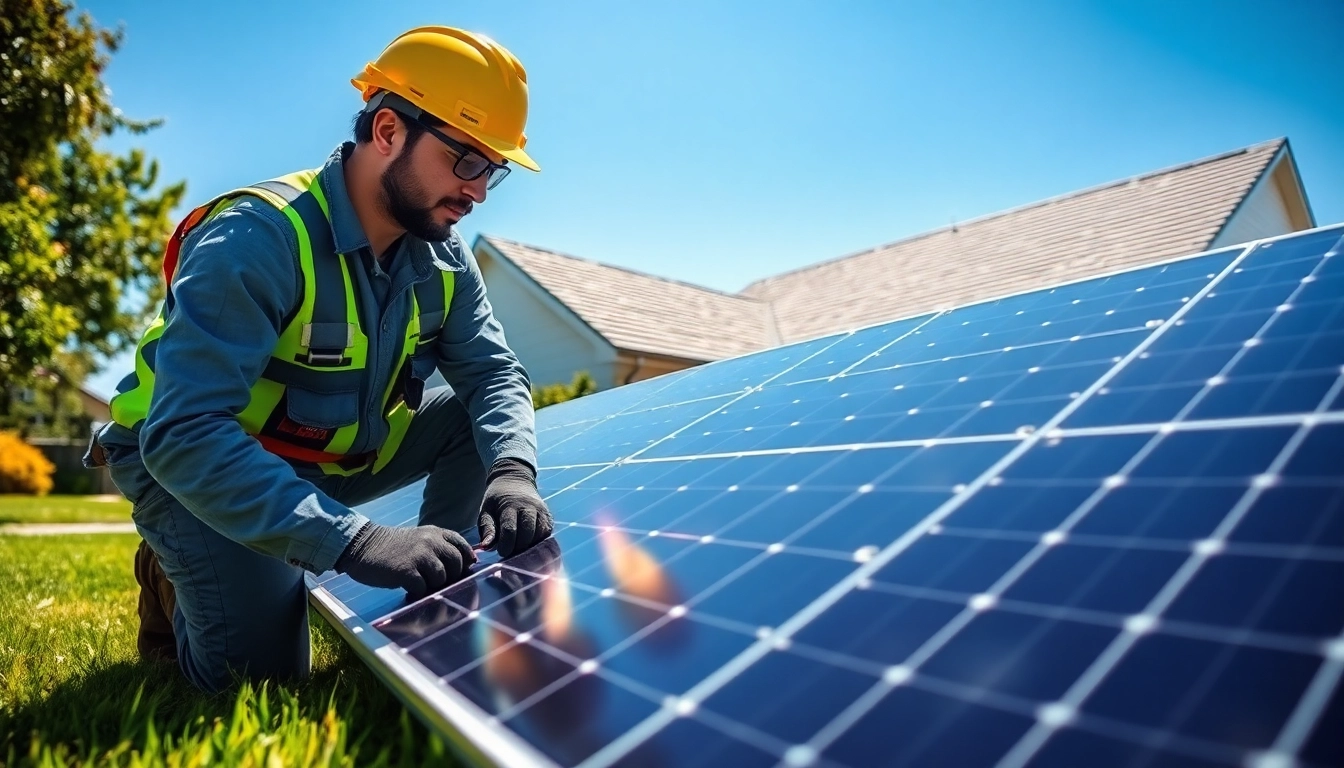
Understanding Solar Repair Services
In a world that is increasingly turning to renewable energy sources, solar energy remains a frontrunner due to its sustainability and efficiency. However, just like any other system, solar panels are not immune to issues and breakdowns. If you find yourself searching for a solar repair company near me, it's vital to understand the services they provide, the common issues faced by solar systems, and how to identify when your solar panels need professional attention.
What to Expect from a Solar Repair Company Near Me
A qualified solar repair company typically offers a comprehensive range of services aimed at ensuring the optimal performance of solar systems. These include diagnostics, repairs, and preventive maintenance. Expect them to have expertise in working with different types of solar panels and inverters, along with the tools necessary for effective problem-solving.
Common Issues Solar Systems Face
Solar systems may encounter various issues over time. Here are some common problems:
- Reduced Efficiency: Often attributed to dirt accumulation, shading, or panel damage.
- Inverter Issues: Inverters may malfunction, leading to a system shutdown.
- Wiring Problems: Corroded or damaged wiring can cause power outages.
- Structural Damage: Hail, fallen branches, or other environmental factors can physically damage panels.
Signs You Need Solar Repair Services
It’s essential to be aware of the signs indicating that your solar system requires repair:
- Decrease in energy production compared to previous months.
- Visible damage on panels such as cracks or discoloration.
- Strange noises coming from the inverter or associated components.
- Unexpected increase in electricity bills, indicating inefficiencies.
Choosing the Right Solar Repair Company
When it comes to selecting a solar repair company, several factors must be evaluated to ensure quality service and value for your investment.
How to Evaluate Local Solar Repair Companies
Look for companies with strong reputations backed by customer reviews and testimonials. Evaluate their experience level; ideally, they should have several years of experience and positive track records. Certifications from industry-standard organizations can also indicate reliability.
Questions to Ask Your Solar Repair Technician
Communicating effectively with your technician can improve your repair experience. Consider asking the following:
- What are the common issues associated with my solar system?
- Can you provide a detailed estimate including parts and labor?
- How long will the repair process take?
- What kind of warranties do you offer on repairs?
Comparing Services and Prices
Before making a decision, obtain quotes from multiple companies and compare not just prices but also the range of services included. Look for companies with transparent pricing and comprehensive service packages that ensure thorough inspections and repairs.
The Repair Process Explained
Understanding the solar repair process can help demystify what happens during a service visit. Here’s a breakdown of what to expect.
Step-by-Step Guide to Solar Repair
The repair process generally follows this sequence:
- Inspection: Technicians assess the system for any visible damage and conduct performance tests.
- Diagnostics: They may use specialized tools to pinpoint underlying issues affecting performance.
- Repair/Replacement: Faulty components are repaired or replaced based on the diagnostics.
- Final Testing: Once repairs are completed, systems are re-tested to confirm functionality and efficiency.
Tools and Technology Used in Repairs
Modern solar repair often requires the use of advanced tools and technology, including:
- Multimeters: Used for measuring voltage and current to troubleshoot electrical issues.
- Drone Inspections: Drones can quickly evaluate large arrays for visual damage.
- Thermal Imagers: They detect hot spots on solar panels indicative of electrical failure.
Safety Protocols in Solar Repair
Safety should never be compromised during solar repairs. Companies should adhere to strict safety protocols such as:
- Disconnecting the power source before starting repairs.
- Wearing protective gear to prevent accidents.
- Following electrical safety codes to mitigate risks.
Benefits of Regular Maintenance
Regular maintenance is crucial for the longevity and efficiency of solar systems. Here are some major benefits.
How Maintenance Can Extend Solar Panel Lifespan
Regular inspections and maintenance can significantly extend the lifespan of solar panels by identifying small issues before they escalate into costly repairs. It ensures setups operate efficiently throughout their expected lifespan, which can be over 25 years.
Cost Savings from Preventative Care
Investing in preventive care can lead to long-term savings. Regular maintenance reduces the likelihood of high repair costs due to neglected issues and optimizes energy production, thus decreasing energy bills.
Improving Efficiency and Performance
Maintaining solar panels ensures that any dirt or obstruction is resolved, maximizing energy collection. A well-maintained system performs 20-25% better than one that is neglected, translating to significant savings in the long run.
Frequently Asked Questions
What services do solar repair companies offer?
Solar repair companies typically provide diagnostics, repairs, maintenance, and assessments to ensure solar systems function optimally.
How can I find the best solar repair company near me?
Start by researching local companies, checking reviews, and asking for quotes. Evaluate their qualifications, experience, and service offerings.
What are common repair costs associated with solar systems?
Repair costs can vary widely depending on the issue. Basic inspections might range from $100 to $300, whereas major electrical repairs can exceed $1,000.
Are there warranties on solar repair services?
Many solar repair companies offer warranties on their services and parts. Always inquire about warranty details before proceeding with repairs.
How often should I schedule maintenance for my solar panels?
It’s advisable to schedule maintenance at least once a year to ensure peak performance and longevity of your solar panel system.