
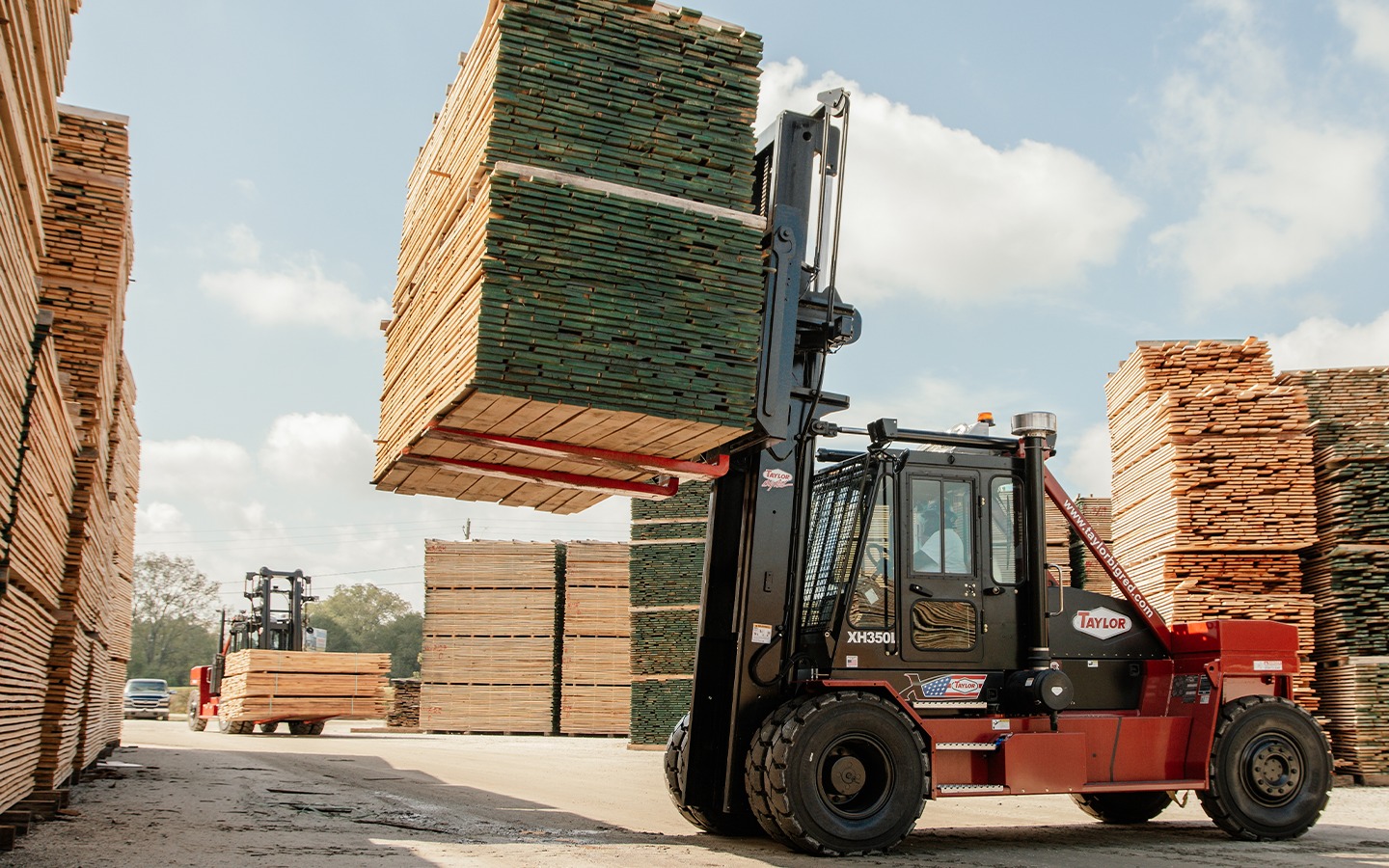
The Essential Role of Heavy Machinery Logistics
Construction and industrial projects rely heavily on the smooth movement of machinery and large-scale tools. From excavators and cranes to manufacturing units and industrial generators, every project depends on precise coordination and safe delivery. This is where equipment transport becomes a critical component of operational success.
A well-organized equipment transport system ensures that heavy assets reach their destination on time and in perfect working condition. Without reliable logistics, projects face delays, increased costs, and operational disruptions. Efficient movement of machinery is not just about relocation; it is about maintaining productivity and ensuring that every phase of a project progresses without interruption.
Understanding the Complexity of Machinery Movement
Transporting heavy and oversized equipment is far more complex than standard freight movement. Each piece of machinery comes with unique weight, size, and handling requirements. A professional approach to equipment transport involves detailed planning, specialized vehicles, and experienced handling teams.
Route analysis is one of the most important steps, as it ensures that roads, bridges, and clearance levels can safely accommodate the load. Additionally, securing permits and complying with transport regulations is essential. A properly managed equipment transport process reduces risks and ensures compliance with safety standards at every stage of the journey.
Ensuring Safety Through Specialized Handling
Safety is a major concern when moving industrial and construction machinery. Improper handling can lead to damage, accidents, or costly delays. Professional equipment transport services prioritize safety through proper loading techniques, secure fastening systems, and experienced operators.
Heavy-duty trailers, hydraulic lifts, and precision loading equipment are commonly used to ensure stability during transit. Every stage of equipment transport is carefully monitored to prevent shifting loads or structural damage. These safety measures protect both the machinery and the people involved in the transportation process.
The Importance of Timely Delivery in Industrial Projects
Time plays a crucial role in construction and industrial operations. Delays in machinery delivery can halt entire workflows and increase project costs significantly. Reliable equipment transport services focus on punctuality and efficient scheduling to avoid such setbacks.
Coordinated logistics planning ensures that machinery arrives exactly when needed, allowing construction teams to continue their work without interruption. By maintaining strict timelines, equipment transport providers help businesses maintain productivity and meet project deadlines with confidence.
Customized Solutions for Different Industrial Needs
Every industrial project has different requirements when it comes to moving machinery. Some projects require short-distance relocation within a city, while others involve long-distance or even cross-regional transport. Flexible equipment transport solutions are designed to meet these varied demands.
Specialized trailers, modular transport systems, and heavy-duty carriers are selected based on the type of equipment being moved. Whether it is a single large machine or multiple units, equipment transport providers tailor their services to ensure efficiency and safety. This customization allows industries to operate smoothly regardless of logistical challenges.
Technology Integration in Modern Logistics
Modern logistics has evolved significantly with the integration of advanced technology. GPS tracking, route optimization software, and real-time monitoring systems have improved the reliability of equipment transport operations.
Clients can now track their machinery throughout the entire journey, ensuring transparency and peace of mind. These technological advancements also help optimize routes, reduce fuel consumption, and improve delivery times. As a result, equipment transport has become more efficient, predictable, and cost-effective than ever before.
Cost Efficiency Through Professional Transport Services
Managing heavy machinery logistics independently can be expensive and risky. Improper handling or delays can lead to significant financial losses. Professional equipment transport services help businesses reduce costs by providing structured and efficient logistics solutions.
By using specialized equipment and experienced personnel, transport companies minimize the risk of damage and delays. This leads to lower repair costs, reduced downtime, and improved overall project efficiency. Investing in professional equipment transport ultimately supports better financial management for construction and industrial operations.
Environmental Responsibility in Heavy Logistics
Sustainability has become an important focus in modern industrial practices. Many logistics providers are now adopting eco-friendly methods to reduce environmental impact. Efficient route planning, fuel-efficient vehicles, and reduced idle time all contribute to greener equipment transport operations.
By optimizing transportation processes, companies can lower carbon emissions and promote sustainable practices within the construction and industrial sectors. Responsible equipment transport not only supports business efficiency but also contributes to environmental conservation efforts.
Reliability and Risk Management in Transport Operations
Reliability is a key factor when selecting a logistics provider. Equipment is often high-value, making secure and dependable transport essential. Professional equipment transport services focus on minimizing risks through careful planning and strict operational standards.
Insurance coverage, trained personnel, and continuous monitoring help ensure that machinery remains safe throughout the journey. This level of reliability allows businesses to focus on their core operations while trusting that their equipment is being handled with care.
Conclusion: Strengthening Industrial Efficiency Through Logistics
Efficient movement of machinery is a cornerstone of successful construction and industrial operations. Reliable equipment transport ensures that projects stay on schedule, costs remain controlled, and equipment arrives safely at its destination.
By combining safety, technology, and professional expertise, transport services provide a critical support system for modern industries. Businesses that invest in dependable equipment transport gain a significant advantage in productivity, reliability, and long-term operational success.
Frequently Asked Questions
What is equipment transport used for?
Equipment transport is used for moving heavy machinery and industrial equipment safely from one location to another, ensuring proper handling and timely delivery.
Why is professional equipment transport important?
Professional equipment transport ensures safety, reduces damage risks, and helps maintain project timelines by using specialized vehicles and experienced handlers.
What types of machinery can be moved through equipment transport?
It can include construction machinery like excavators, cranes, loaders, as well as industrial machines, generators, and manufacturing equipment.
How is safety ensured during equipment transport?
Safety is ensured through proper loading techniques, secure fastening systems, route planning, and the use of specialized transport vehicles.
Does equipment transport include long-distance delivery?
Yes, equipment transport services can handle both local and long-distance deliveries depending on project requirements and logistics planning.