Understanding Pool Table Types
Different Styles of Pool Tables
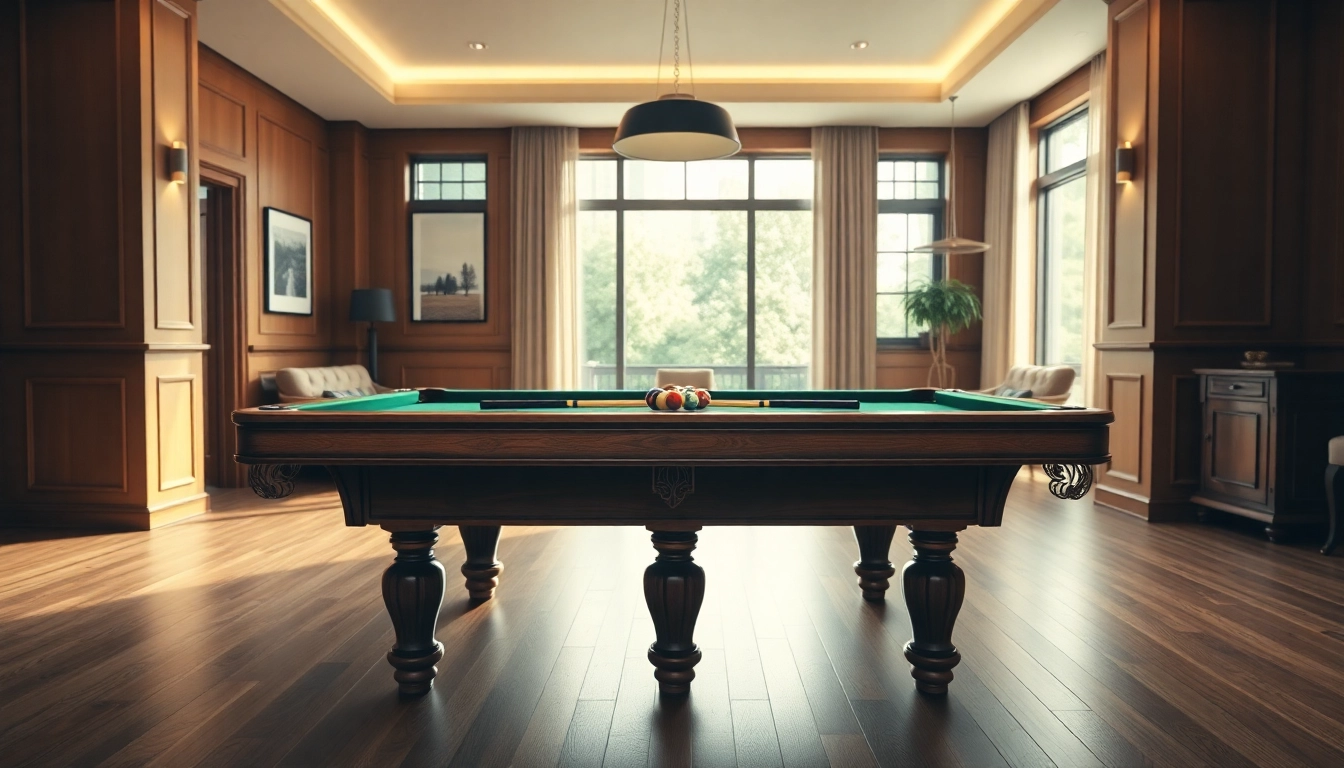
When deciding to Buy Pool Tables, understanding the various styles available is crucial. Pool tables come in a variety of designs, each one catering to different tastes and preferences. Common styles include the classic American pool table, which is often seen in bars, and the more elegant, European-style tables, which offer a sleek, modern aesthetic. Additionally, there are billiard tables that may resemble a dining table, providing a dual-purpose dining and gaming space.
Other common styles include convertible and multi-game tables, which can transition from pool to other games such as ping pong or air hockey, maximizing space and usability. Furthermore, the leg styles can vary significantly, with options ranging from traditional claw legs to contemporary designs. Make sure to assess your personal style and how it fits with your home's decor when selecting the type of table to buy.
Choosing the Right Size: Buy Pool Tables for Your Space
Size is a critical factor when selecting a pool table. The dimensions can significantly affect gameplay and the overall experience. Standard sizes for pool tables include 7-foot, 8-foot, and 9-foot models. An 8-foot table is often considered the ideal choice for residential spaces, as it offers a good balance between playability and room space.
Before making a purchase, measure the area where you intend to place the table. Ideally, you should allow at least 5 feet of space around the table to accommodate players who need to use cues. If space is a concern, then a 7-foot table could be a better option, although it’s essential to remember that the larger the table, the more challenging the game becomes, enhancing the experience for serious players.
Material Matters: Wood vs. Slate
Another vital aspect of selecting the right pool table is the material from which it is constructed. Traditionally, pool tables are made with either wood or slate. Wooden tables are often favored for their aesthetic appeal but may compromise on playability if not constructed correctly. High-quality wood, such as hardwood and plywood, offers good durability and can provide a stunning finish.
Slate, on the other hand, is praised for its flat and sturdy surface, making it the ideal choice for serious players. A slate table generally promises better gameplay due to its ability to remain true even after years of use. Tables that feature a one-piece slate typically provide a superior experience compared to those with multi-piece slates. Therefore, if gameplay quality is a priority, investing in a slate pool table is advisable.
Factors to Consider When You Buy Pool Tables
Budgeting for Your Pool Table Purchase
Budgeting for a pool table involves more than just the initial purchase price. When determining your budget, consider the total cost, including installation, delivery, necessary accessories like cues and balls, and ongoing maintenance. The price of new pool tables can vary greatly, so establishing a clear budget will help you narrow down your choices without overspending.
Additionally, look out for sales or special promotions that may occur in various seasons, which can be advantageous if you are flexible about when to make a purchase.
Quality vs. Price: Finding Your Balance
While it's tempting to go for a more affordable option, the adage "you get what you pay for" holds true for pool tables. Lower-priced tables may appear attractive, but they often lack the build quality and features necessary for a satisfactory gaming experience. When determining where to invest—whether in high-quality wood, a sturdy slate bed, or additional features—it’s crucial to evaluate what aligns with your personal preferences and gameplay goals.
Consider that an investment in a quality table can yield years of enjoyment, whereas a cheaper table may need to be replaced sooner, thus costing you more in the long run.
Long-Term Value: What to Look For
Investing in a pool table should be viewed through a long-term lens. Look for features that contribute to longevity, such as durable finishes, reinforced corners, and solid leg construction. Assess the warranty provided by the manufacturer; a longer warranty often indicates greater confidence in the product's quality. Additionally, consider tables that allow for easy upgrades or replacement parts, as they can enhance the table’s lifespan, providing excellent long-term value.
Researching manufacturer reviews and industry awards can also give insight into which brands produce reliable pool tables that stand the test of time.
Where to Buy Pool Tables
Online Retailers vs. Local Showrooms
When the time comes to Buy Pool Tables, the decision between online retailers and local showrooms is paramount. Purchasing online provides a broad selection at potentially lower prices, but it does come with its challenges, such as not being able to physically inspect the product before buying. Local showrooms allow you to see and test the tables firsthand, providing an opportunity to gauge quality and comfort.
Consider combining both approaches; research online to narrow your choices and then visit local showrooms to compare your targets. This strategy also enables you to leverage local expertise and further gain insights from knowledgeable staff.
Reading Reviews and Recommendations
Reviews and recommendations play an essential role in informing your decision. Utilize platforms like consumer review sites and social media to gauge the experiences of others who have purchased pool tables. Look for patterns in feedback regarding construction quality, customer service, and product longevity. Be mindful of red flags, such as poor customer service experiences or consistently low ratings, as they can indicate potential issues.
Ask friends or family who have game rooms about their experiences and what to look for when purchasing a pool table. Their first-hand knowledge can be invaluable.
Comparing Prices: Getting the Best Deal
Once you have a list of potential purchases, it’s time to compare prices. Ensure that you are comparing similar products, as variations in size, material, and brand can greatly influence the price. Utilizing price comparison websites can help streamline this process and reveal lower price points across different vendors. Look for final costs, including shipping and taxes, to ensure that you are making a valid comparison.
Additionally, don’t hesitate to negotiate with retailers. Sometimes, they can offer deals or throw in accessories simply to make a sale. A little persistence can lead to substantial savings.
Setting Up Your Pool Table
Optimal Placement for Gameplay
Once you’ve decided on your table, the next step is placement. When setting up your pool table, choose an area with sufficient space for players to move comfortably around it. Ideally, you should have at least five feet of clearance around all sides of the table to allow for effective cueing. Consider factors like lighting as well; natural light can affect gameplay visibility, and overhead lighting positioned directly above the table can enhance your playing environment.
It is crucial to ensure that the surface underneath the table is flat. If the ground slopes or isn’t level, you might need to level the table, which requires access to shims or adjustable feet. This will prevent uneven play and reduce wear on the table.
Essentials for Your Game Room
Creating an ideal game room goes beyond just installing your pool table. Essential accessories include a quality set of billiard balls, cues, chalk, and a rack. Depending on your preferences, consider adding a table brush and cover to maintain the table's appearance. Comfortable seating can enhance the experience for players taking turns or spectating. Some might also enjoy adding decorative elements such as wall art featuring billiards, customizable lighting options, or a mini-fridge stocked with beverages.
Additionally, consider the acoustics of your game room. A room with hard surfaces might echo, affecting the overall atmosphere. Sound-absorbing materials can help create a pleasant playing environment.
Maintenance Tips for Longevity
To ensure that your pool table lasts for years, regular maintenance is essential. This includes brushing the fabric to remove debris and restricting food and drinks around the table to prevent stains. Similarly, wipe down the table’s surface and check the condition of the felt, as wear can eventually affect gameplay. If it begins to show signs of wear, consider re-felting; it’s a relatively easy process but can greatly enhance your table's aesthetic and functional qualities.
Additionally, examine the table for stability; tightening any loose bolts or screws will maintain its structural integrity. Regularly inspect the legs and frame to ensure everything remains level and sturdy.
Frequently Asked Questions About Buying Pool Tables
What Size of Pool Table Should I Buy?
Your choice depends on available space and how you plan to use it. 8-foot tables are ideal for most home settings, while 7-foot versions are better for smaller spaces.
How Do I Maintain My Pool Table?
Regularly brush the felt, keep food and drinks away, and check for loose parts. Re-felting can also help keep gameplay smooth.
Can Pool Tables Be Moved Easily?
Pool tables can be disassembled for moving, but it requires professional expertise to ensure everything is reassembled correctly without damaging the table.
Should I Buy a New or Used Pool Table?
This depends on your budget and needs. New tables offer warranties and peace of mind, while used tables can be more affordable but require careful inspection.
What Accessories Do I Need for My Pool Table?
Essentials include cues, a set of billiards balls, chalk, a rack, and a brush. Consider a cover for protection when not in use.