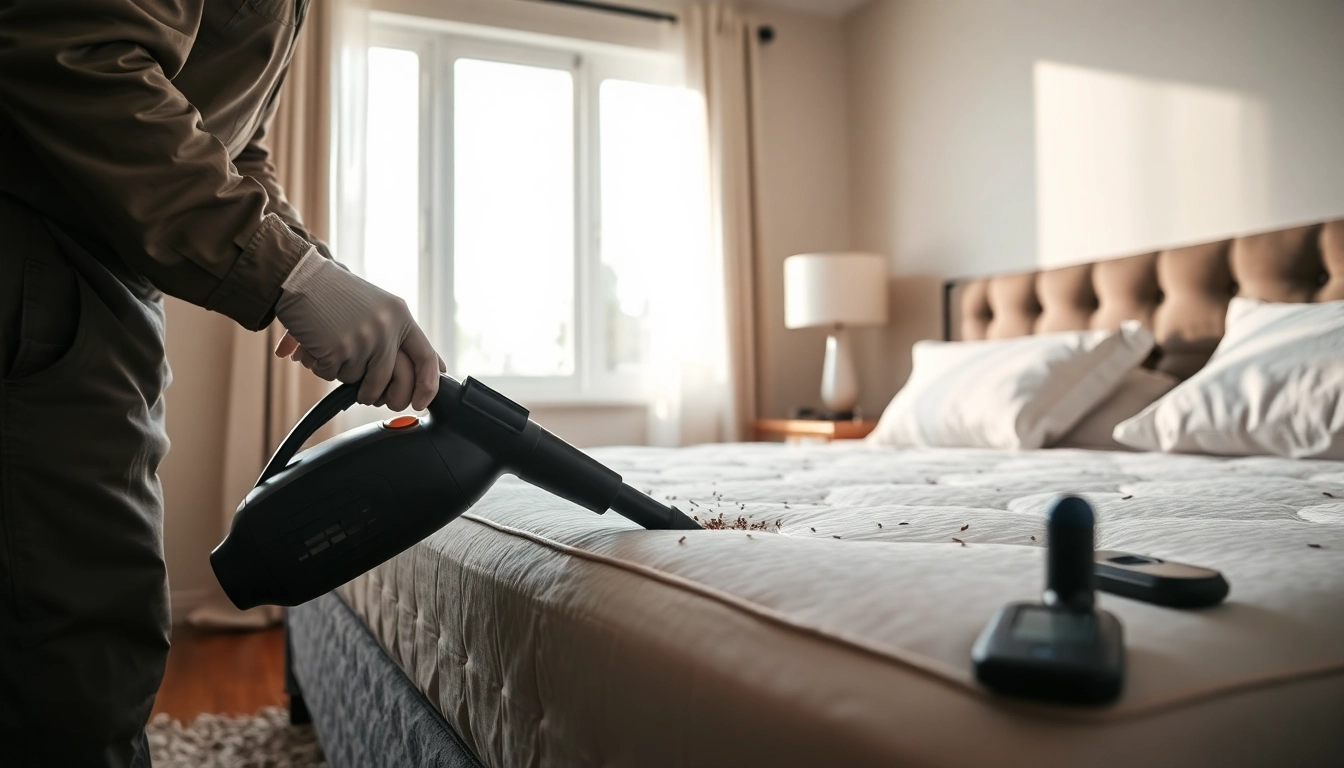
Understanding Bed Bug Infestations
What Are Bed Bugs?
Bed bugs are small, blood-sucking insects that belong to the Cimicidae family. They are typically brown, oval-shaped, and about the size of an apple seed. Bed bugs are nocturnal creatures, primarily feeding on human blood while their hosts are asleep. They can survive for several months without feeding, making them particularly challenging to eliminate. Their resilience and ability to hide in small crevices contribute to their status as one of the most notorious household pests.
Signs of an Infestation
Detecting a bed bug infestation early is crucial for effective management. Look for the following signs:
- Unexplained Bites: Red, itchy welts on the skin, often appearing in a line or cluster, may be indicative of bed bug bites.
- Live Bugs: Spotting live bed bugs or their shed exoskeletons in and around bedding, cracks in walls, and behind furniture.
- Fecal Spots: Dark stains on mattresses, sheets, or walls are a sign of bed bug excrement.
- Eggs and Eggshells: Tiny, white, oval eggs (about 1mm) and their shells can be found in hiding places.
Common Causes of Bed Bug Infestations
Understanding what leads to bed bug infestations can help prevent and control the problem. Common causes include:
- Traveling: Bed bugs are notorious travelers, often hitching rides on luggage, clothing, and other belongings.
- Used Furniture: Acquiring second-hand furniture or mattresses without proper inspection can introduce bed bugs to your home.
- Shared Spaces: Living in shared spaces like apartments or dorms increases exposure to, and the risk of, bed bugs.
- Poor Maintenance: Cluttered environments and unkempt living spaces provide ideal hiding spots for bed bugs.
Methods for Bed Bug Removal
DIY Strategies for Bed Bug Removal
Many homeowners explore do-it-yourself methods for bed bug removal. Here are several effective techniques:
- Heat Treatment: Bed bugs die at temperatures above 115°F (46°C). Washing infested items in hot water and drying them on high heat can eliminate these pests.
- Vacuuming: Regularly vacuuming your home, especially mattresses and upholstered furniture, can help reduce the population. Dispose of the vacuum bags immediately.
- Diatomaceous Earth: This natural powder dehydrates and kills bed bugs upon contact. Apply it in areas where bed bugs hide.
- Cold Treatment: If items cannot be washed, placing infested items in a freezer at 0°F (-18°C) for a minimum of four days can effectively kill bed bugs.
When to Call Professionals
While DIY methods can be effective, they may not fully eliminate an infestation, particularly if it is widespread. Consider calling professional exterminators if:
- The infestation is extensive and difficult to manage alone.
- You’ve tried DIY methods without success.
- Bed bugs are found in multiple rooms within your home.
- You need a comprehensive treatment plan that addresses both immediate and future infestations.
Comparative Effectiveness of Treatments
Different bed bug removal treatments have various effectiveness rates. Here’s a comparison of common methods:
Treatment MethodEffectivenessDurationCostHeat TreatmentHighly effective, kills all life stagesOne session usually sufficientHigher upfront costPesticidesEffective with proper application, but may require multiple treatmentsVaries depending on treatment planModerate costDIY MethodsCan be effective for minor infestationsVaries, ongoing effort neededLow cost
Preventing Bed Bug Recurrence
Best Practices for Home Hygiene
To keep bed bugs at bay after removal, maintaining good hygiene is essential. Here are best practices:
- Regular Cleaning: Vacuum and sanitize sleeping areas regularly. Pay special attention to bed frames, mattresses, and surrounding furniture.
- Decluttering: Reducing clutter decreases potential hiding places for bed bugs.
- Encasements: Consider using encasements for mattresses and pillows to create a barrier against bed bugs.
- Inspecting Used Items: Thoroughly inspect all used furniture or clothing before bringing them into your home.
Travel Tips to Avoid Infestations
Traveling increases the risk of encountering bed bugs. Follow these tips when on the go:
- Inspect Hotel Rooms: Before settling in, check for signs of bed bugs in the bed, headboard, and around furniture.
- Keep Luggage Elevated: Use a luggage rack instead of placing bags on the hotel bed or floor.
- Wash Clothes: When returning home, wash travel clothes in hot water and dry them on high heat.
- Use Plastic Bags: Store luggage in sealed plastic bags during your stay to reduce the likelihood of bringing bed bugs home.
Using Monitoring Devices
Monitoring devices can serve as an early warning system for bed bugs. Some effective options are:
- Bed Bug Interceptors: Placing these devices under furniture legs traps bed bugs as they attempt to climb up.
- Sticky Traps: These can be placed in key areas to capture wandering bed bugs.
- Monitoring Stations: Passive or active monitoring stations can help detect infestations before they escalate.
Cost Considerations in Bed Bug Removal
Factors Affecting Treatment Costs
The cost of bed bug removal can vary significantly based on several factors:
- Infestation Severity: Heavier infestations generally incur higher treatment costs due to the increased effort required.
- Treatment Method: Different methods have varying costs; heat treatments are usually more expensive than chemical applications.
- Property Size: Larger homes or those with multiple units requiring treatment will see increased costs.
- Geographic Location: Regional market rates can influence treatment prices as well.
Cost-Effective Solutions
For homeowners concerned about the cost of bed bug removal, consider the following solutions:
- Preventative Measures: Investing in regular inspections and maintaining cleanliness in your home helps prevent infestations.
- DIY Options: Utilizing effective DIY treatment methods can reduce costs, especially for minor infestations.
- Compare Quotes: Obtaining multiple quotes from pest control services can help ensure you find an affordable solution.
Understanding Service Contracts
Many pest control companies offer service contracts for bed bug treatments. Important elements to consider include:
- Coverage: Know what treatments are covered and if there are limitations on the types of infestations included.
- Duration: Understand how long the coverage lasts and what follow-up treatments are included.
- Additional Services: Check if additional services such as inspections or future treatments are included in the contract.
FAQs About Bed Bug Removal
How can I tell if I have bed bugs?
Look for signs like red, itchy bites on your body, visible bed bugs or their shed skins, and dark fecal marks in your bedding or furniture.
What home remedies work for bed bug removal?
Heat treatment, vacuuming, using diatomaceous earth, and cold treatment can effectively reduce bed bug populations when applied properly.
How long does bed bug removal take?
The timeline for removal varies; minor infestations can be dealt with in days while severe cases may require weeks and multiple treatments.
Can I do bed bug removal myself?
Yes, DIY methods can be effective for minor infestations; however, professional intervention is recommended for severe cases due to their expertise.
What should I do after bed bug removal?
Continue regular cleaning and monitoring to prevent recurrence, and consider using monitoring devices to catch any future infestations early.