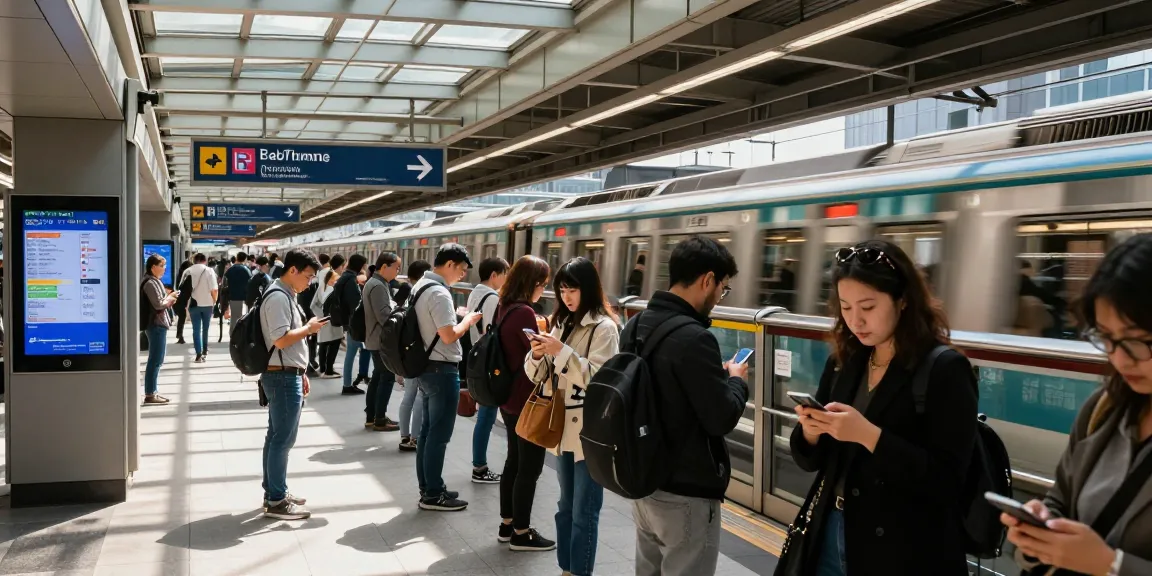
Understanding the Live Subway Tracker Concept
In today's fast-paced urban environments, reliable transportation is more crucial than ever. As cities expand and populations grow, so does the need for efficient transit systems. The concept of a live subway tracker has emerged as a game-changer for commuters, providing real-time information that enhances the travel experience. With tools like a live subway tracker, passengers can access updates on train arrivals, delays, and service interruptions at their fingertips, making it easier to navigate the complexities of urban travel.
What is a Live Subway Tracker?
A live subway tracker is a digital tool designed to provide real-time updates on subway systems. Utilizing various technologies, these trackers communicate the precise locations of trains, estimated arrival times, and service alerts. They pull data from transit agencies through systems like General Transit Feed Specification Real-Time (GTFS-Realtime), ensuring that users have access to the most accurate and up-to-date information available. The functionality of these trackers relies on a seamless integration of real-time data with a user-friendly interface.
How GTFS-Realtime Enhances Subway Arrivals
GTFS-Realtime is an open standard used by transit agencies to share live data with third-party apps and services. It enables live subway trackers to provide updates every 30 seconds, offering detailed insights into trip updates, vehicle positions, and service alerts. By using this technology, cities can ensure that riders receive accurate, directional information about subway arrivals, improving the overall commuter experience. This real-time data helps in better planning and reduces wait times for passengers significantly.
Key Benefits for Urban Commuters
- Improved Commuting Efficiency: Commuters can plan their trips more effectively, reducing idle waiting times at stations.
- Increased Reliability: With real-time updates, passengers can trust that they are receiving the most current information regarding their transit options.
- Enhanced Accessibility: Live trackers make public transit more accessible for individuals with disabilities by providing real-time notifications of service changes.
- Empowered Decision-Making: Commuters can choose alternate routes or transportation methods based on real-time data, thereby enhancing their overall travel experience.
Real-Time Tracking Features
Direction-Aware Arrival Boards
One of the standout features of live subway trackers is the direction-aware arrival boards that display train times based on the user's chosen direction. This allows passengers to know exactly when their train will arrive, taking the guesswork out of commuting. For instance, if a subway line splits at a junction, the tracker will show arrivals for each direction distinctly, ensuring that riders don't miss their train due to confusion.
Service Alerts and Notifications
Service alerts are critical components of any subway tracker. They inform commuters about delays, COVID-19 safety measures, or schedule changes, allowing riders to adjust their plans accordingly. Many live subway trackers offer push notifications, helping users stay informed even when they're on the go. For example, if there's an unexpected delay due to maintenance work, passengers can be immediately notified, leading to a smoother commuting experience.
Daily Schedule Accuracy vs. Real-Time Updates
While live subway trackers provide real-time updates, their effectiveness relies heavily on the underlying static data from GTFS files, which are refreshed daily. In instances where the real-time feed is temporarily unavailable, these trackers utilize the schedule data to provide estimated arrivals. This dual data source ensures that users have access to reliable information, whether real-time or timetable-based. However, during instances of system downtime, they may experience some discrepancies in arrival predictions.
Using Live Subway Trackers in Different Cities
Case Studies: Major Cities Leading the Way
Several cities have successfully implemented live subway tracking technologies, significantly improving the transit experience. For instance, New York City’s MTA employs a comprehensive tracking system that allows commuters to access real-time information across its extensive subway network. Similarly, cities like London and Tokyo utilize these technologies to provide robust commuter services, demonstrating the positive impact of real-time data on urban transportation.
How Local Transit Agencies Implement Tracker Technologies
Local transit agencies play a crucial role in the implementation and maintenance of subway tracking technologies. By partnering with software developers and utilizing GTFS-Realtime data, agencies can create user-friendly platforms that enhance passenger experiences. Training staff and investing in infrastructure are essential steps for successful deployment, ensuring that the technology operates seamlessly and efficiently.
User Experiences in Various Subway Systems
The user experience with live subway trackers varies by city, reflecting differences in implementation and local infrastructure. Feedback from commuters reveals that while some cities enjoy highly functional trackers, others may face challenges with outdated information or technology glitches. For instance, users in cities like San Francisco report satisfaction with the accuracy and responsiveness of their subway trackers, while those in less tech-savvy systems express frustration over inconsistent data.
Challenges and Limitations
Common Issues with Real-Time Data
Despite the advancements in live subway tracking technology, several common issues persist. One of the primary challenges is the accuracy and reliability of real-time data. Situational factors such as equipment failures, software bugs, or external disturbances can lead to incorrect information being disseminated. Users often experience inconsistencies when service alerts are not updated in real-time, complicating their travel plans.
Addressing System Downtime and Failures
System downtime can severely impact the effectiveness of live subway tracking, leading to confusion among commuters. To mitigate this, agencies must invest in robust IT infrastructure, including backup systems and redundant data sources. Additionally, clear communication strategies are essential to inform users when issues occur, helping to maintain trust in the provided information.
Public Perception and Trust in Technology
Public perception of technology plays a significant role in the adoption and utilization of live subway trackers. Trust is essential: if users receive inaccurate information, they may become disillusioned and less likely to rely on these tools. Transit agencies must prioritize transparency, providing timely updates on the performance of tracking systems and actively addressing user concerns. Education campaigns can also help build understanding and trust in the technology.
The Future of Subway Tracking Technologies
Innovative Features Coming by 2026
The advancement of subway tracking technologies shows no signs of slowing. By 2026, we can expect innovations such as mobile integration with personal devices, augmented reality features for navigation, and even AI-driven predictive analytics that can anticipate service disruptions before they occur. These enhancements will provide a seamless experience, integrating various mobility options into a single platform.
Predictions for Smart Transit Systems
Looking ahead, the vision for smart transit systems encompasses a fully interconnected public transportation network equipped with real-time data sharing capabilities. As cities continue to embrace smart city initiatives, we will witness a rise in intelligent transportation systems that leverage big data, IoT sensors, and real-time communications to create an enhanced urban mobility experience. This shift will not only improve the efficiency of subway systems but also revolutionize how commuters navigate urban spaces.
Integration with Personal Mobility Options
The future of subway tracking will also likely see greater integration with personal mobility options such as e-scooters, bikes, and ride-sharing services. By factoring these alternatives into live subway trackers, users can seamlessly transition between different modes of transportation. The convenience of having a single platform that includes all options will empower commuters to make informed decisions about their travel routes, ultimately enhancing the efficiency of urban transportation.
What is the importance of real-time tracking for commuters?
Real-time tracking is critical for commuters because it directly affects their ability to plan journeys effectively and minimize wait times. It enhances the overall commuting experience by providing timely updates that can alleviate anxiety associated with transit delays.
How can I access live subway tracker data?
You can access live subway tracker data through dedicated applications, websites, or directly from transit agency platforms that utilize GTFS-Realtime. These platforms typically offer user-friendly interfaces that allow easy navigation across subway lines and stations.
Are there any costs involved in using these trackers?
In most cases, accessing live subway tracker data is free for users. However, some advanced features or premium apps may introduce subscription fees, but basic tracking services typically remain free of charge.
How accurate are live subway trackers?
The accuracy of live subway trackers varies by region and the efficiency of the local transit agency's data feed. Generally, when functioning correctly, these trackers can provide highly accurate real-time updates, although occasional discrepancies may arise due to system errors or delays in data transmission.