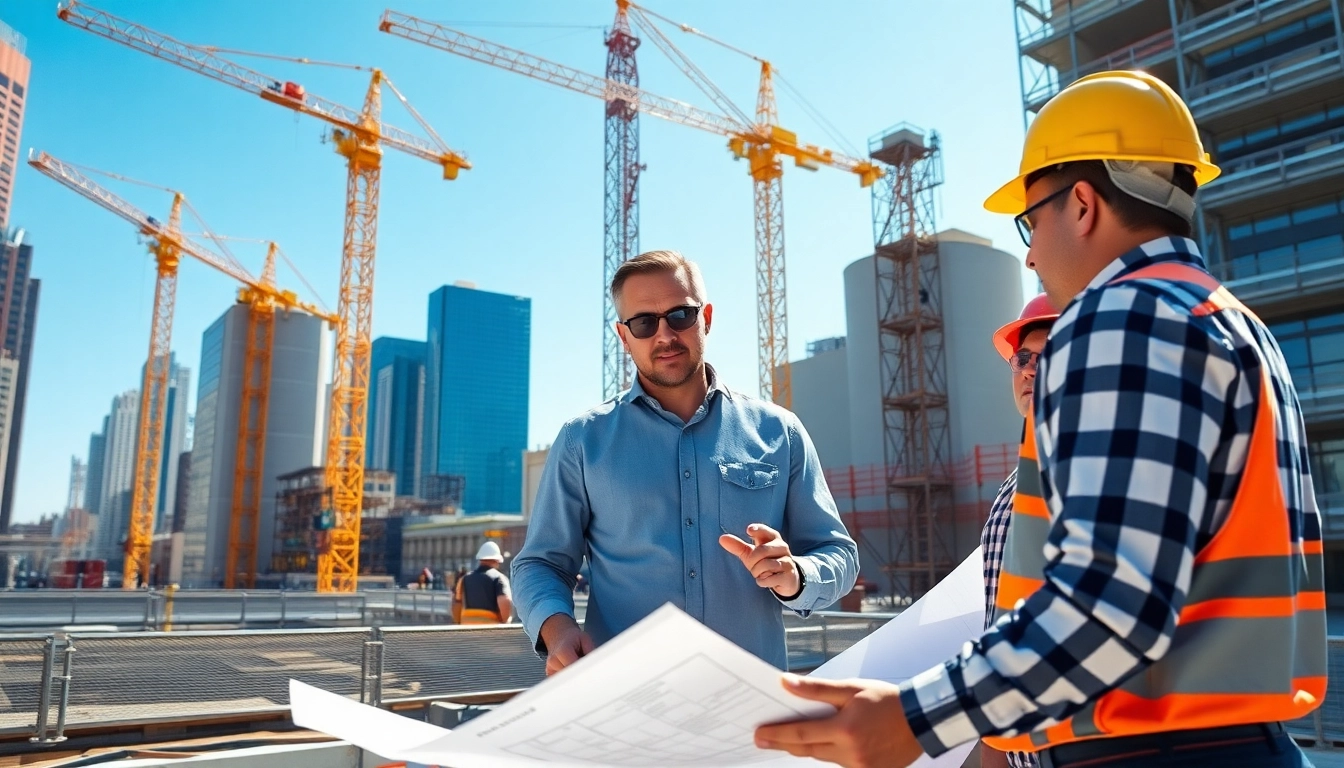
Understanding the Role of a Manhattan Commercial General Contractor
In the bustling environment of Manhattan, the role of a Manhattan Commercial General Contractor is pivotal to the success of construction projects. These professionals orchestrate the myriad details involved in construction, from initial planning to final execution. They act as the linchpin of the project, ensuring that everything comes together smoothly and efficiently.
Key Responsibilities of a General Contractor
General contractors wear many hats, each crucial to the overall project. Their primary responsibilities include:
- Project Management: Overseeing the entire construction process, managing timelines, and resources.
- Budgeting: Creating and maintaining a budget, ensuring that costs remain within limits.
- Hiring Subcontractors: Selecting and managing specialized subcontractors who execute specific tasks.
- Quality Control: Ensuring that the work meets set standards for quality and safety.
- Communication: Serving as the primary point of contact between clients, subcontractors, and suppliers.
Types of Projects Handled
Manhattan commercial general contractors manage various projects, including:
- Office Buildings: Constructing and renovating spaces that promote productivity.
- Retail Spaces: Designing and constructing appealing environments for customer engagement.
- Industrial Projects: Managing the construction of factories or warehouses.
- Hospitality Venues: Overseeing renovations for hotels and restaurants that meet high aesthetic standards.
Licensing and Insurance Requirements
To operate legally, contractors must comply with several licensing and insurance requirements. New York mandates that general contractors have a valid business license and liability insurance. This ensures that they are qualified to meet industry regulations and capable of handling unforeseen issues on-site, protecting both clients and workers.
Finding the Best Manhattan Commercial General Contractor
Finding the right contractor can significantly influence the outcome of your construction project. Here are key strategies to streamline your search.
Researching Contractors Effectively
Begin your search by looking online for local contractors. Websites like project references, Yelp reviews, and construction forums can provide valuable insights into their reputation. Inspect each contractor's portfolio to assess the quality and style of their past work.
Reading Reviews and Testimonials
Pay close attention to client testimonials and reviews. Look for feedback on responsiveness, quality of work, and project management. Verified reviews can give an accurate assessment of a contractor's reliability and performance.
Conducting Interviews and Assessing Fit
Set up interviews with potential contractors. Prepare questions that explore their experience, project approach, and conflict resolution strategies. A contractor’s communication style and professional demeanor during this stage can reveal their capability to work collaboratively throughout the project.
Cost Considerations for Hiring a Contractor
Understanding the financial aspects associated with hiring a contractor is crucial for effective project management.
Estimating Project Budgets
When estimating your budget, consider both direct and indirect costs. Direct costs include materials and labor, while indirect costs cover permits, inspections, and contingencies for unforeseen circumstances. A thorough budget includes a buffer to manage potential overruns.
Understanding Fee Structures
Contractors use varied fee structures, including fixed price, cost-plus, and time and materials models. Ensure that you understand which structure best suits the complexity and scale of your project.
Negotiating Contracts
Negotiation is vital when finalizing contracts. Clearly define the scope of work, payment schedule, and timelines. Ensure you include clauses for changes or scope adjustments to avoid disputes later.

Best Practices in Collaborating with Your Contractor
Effective collaboration with your contractor is essential for a successful project outcome.
Setting Clear Expectations
Establish clear expectations regarding timelines, budgets, and quality standards from the outset. Documenting these expectations in writing helps prevent misunderstandings later.
Effective Communication Strategies
Maintain an open line of communication throughout the project. Regular check-ins can help address issues early, keeping the project on track and avoiding costly delays.
Monitoring Progress and Quality Assurance
Regularly visit the site to monitor progress against schedules and quality standards. Address any deviations promptly. Utilize checklists to ensure all aspects of the project meet the required standards.
Common Challenges Faced in Construction Projects
Construction projects often encounter various challenges that can impact timelines and budgets.
Dealing with Delays and Setbacks
Delays can stem from numerous factors, including weather, supply chain issues, or permit delays. Create contingency plans and ensure that all parties are aware of potential risks.
Managing Budget Overruns
Unexpected costs can arise, leading to budget overruns. Mitigate this risk by maintaining a contingency fund and conducting regular budget reviews throughout the project.
Ensuring Compliance with Regulations
Compliance with local building codes is non-negotiable. Ensure that your contractor is well-informed of all regulatory requirements and has the necessary permits before commencing work.
FAQs about Hiring a Manhattan Commercial General Contractor
What should I consider when hiring a Manhattan Commercial General Contractor?
Look for experience, references, and previous project portfolios. Ensure they're licensed and insured.
How do I estimate the cost of hiring a Manhattan Commercial General Contractor?
Costs vary widely based on project scale, materials, and labor. Obtain multiple quotes for comparison.
Is it necessary to have a contract with a Manhattan Commercial General Contractor?
A formal contract protects both parties. It outlines the scope, timeline, and financial obligations.
How do I resolve conflicts with my Manhattan Commercial General Contractor?
Maintain open communication, document issues, and attempt to resolve conflicts amicably before escalating.
What types of projects can a Manhattan Commercial General Contractor oversee?
They handle renovations, new builds, restorations, and other construction projects across various sectors.