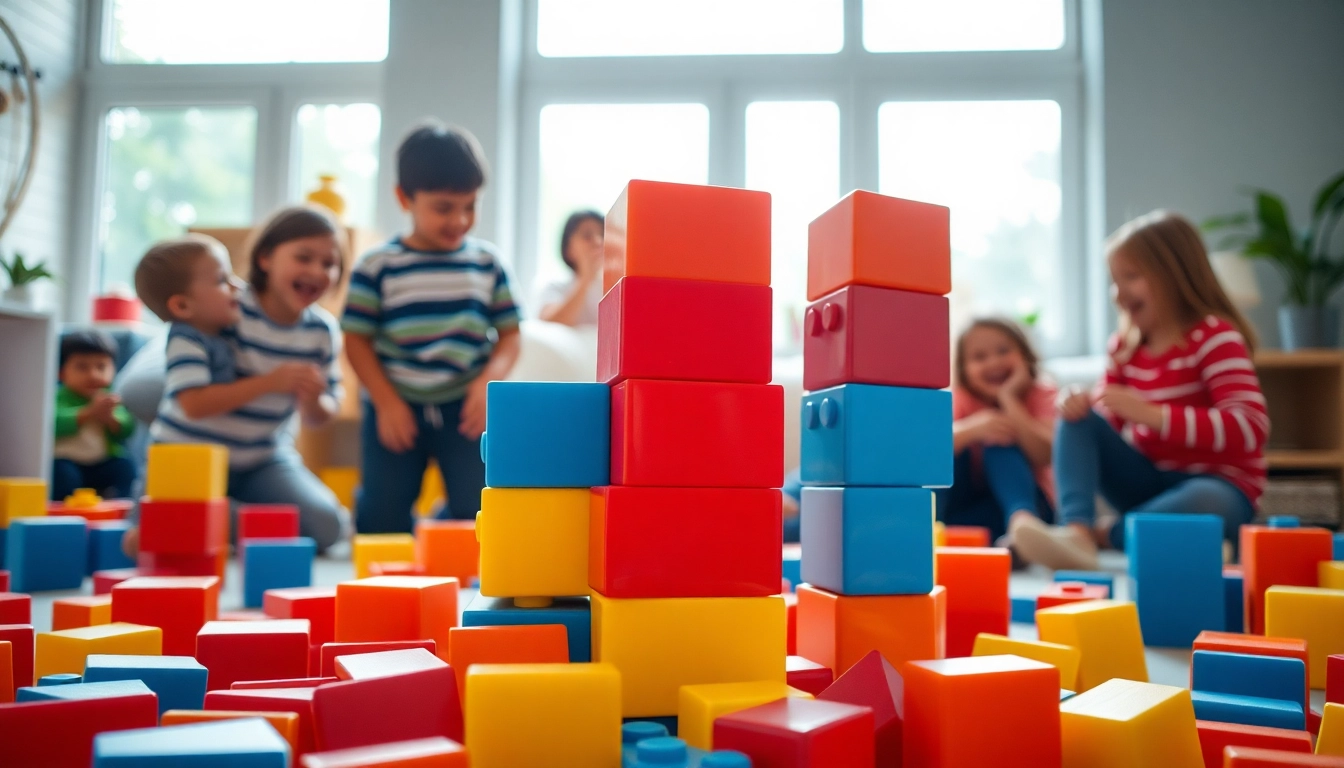
Introduction to Giant Building Blocks
Giant building blocks have become a favored choice among parents and educators looking to foster creativity and fun in playtime. These oversized blocks, typically made from lightweight and durable materials, allow children to construct anything their imaginations can conjure. Not only do they promote imaginative play, but they also encourage valuable cognitive and motor skill development. For a detailed overview, you can discover more about these engaging play tools. In this guide, we delve into the various aspects of giant building blocks, emphasizing their importance in child development, safety considerations, and the creative possibilities they unlock.
What are Giant Building Blocks?
Giant building blocks are oversized versions of traditional building blocks. They come in various shapes, sizes, and materials, ranging from foam to plastic or wooden variants. These blocks can be stacked and assembled in countless configurations, allowing for the construction of buildings, vehicles, and abstract art. The size of these blocks not only makes them distinguishable but also adds an exciting element to the building experience, as children can physically manipulate the blocks with ease while engaging their imaginations.
The Importance of Play in Child Development
Play is essential for children's development. It serves as a fundamental mechanism through which children explore their environment and understand their place within it. Engaging in play helps develop cognitive abilities, social skills, emotional resilience, and fine motor skills. For instance, when children manipulate giant blocks, they enhance their problem-solving capabilities as they figure out how to balance structures and stay within spatial constraints.
Benefits of Playing with Giant Blocks
Enhancing Creativity and Imagination
One of the most significant benefits of giant building blocks is the creativity they inspire. Children are encouraged to think outside the box, engage in storytelling, and develop scenarios based on their creations. By constructing various structures, they can bring their artistic visions to life, which can lead to increased self-expression and confidence.
Promoting Physical Activity and Coordination
Children benefit physically from playing with giant blocks as they are required to bend, lift, and reach as they build. This promotes gross motor skills and physical coordination, supporting overall health and well-being. Furthermore, outdoor play with giant blocks can lead to imaginative games and obstacle courses that keep kids active and engaged.
Encouraging Social Interaction and Teamwork
Playing with others fosters essential social skills like cooperation, negotiation, and communication. Giant building blocks provide a platform for collaborative play, where children can work together in teams to build larger structures, learn to share ideas, and establish roles within the group dynamic. This cooperation fosters friendships and helps develop a sense of community among young builders.
Creative Building Ideas
Structures for Indoor Adventures
Indoor play with giant blocks can lead to countless adventures. Kids can construct castles, spaceship interiors, or entire towns with shops and homes. Encouraging children to narrate stories around their constructions can enhance their verbal skills and immerse them in imaginative scenarios, creating a holistic playground experience.
Collaborative Play Projects
Set up group challenges where children must work together to build a specific item or structure within a limited timeframe. This could involve constructing a bridge or a replica of a well-known building. These collaborative projects teach children the value of teamwork and can lead to fun, memorable experiences.
Theme-based Building Challenges
Hosting themed building challenges can further stimulate creativity. For example, a “Pirate Adventure” theme could inspire kids to create pirate ships or hideouts, allowing them to engage in role-playing scenarios while using the blocks. This not only makes the activity enjoyable but also encourages them to research concepts and themes, enhancing their learning experience.
Safety Considerations
Choosing Non-toxic Materials
When selecting giant building blocks, it’s crucial to choose options that are made from non-toxic materials. Ensure that any plastic blocks are free from harmful chemicals such as BPA or phthalates, as these can be detrimental to children’s health. Similarly, wooden blocks should be treated with child-safe finishes that are eco-friendly and safe to handle.
Setting Up Safe Play Areas
A safe play area is vital for maximizing the fun and minimizing accidents. Consider establishing a padded surface in play zones, such as foam mats or carpets, which can cushion falls. Additionally, ensure that the area is free from hazards such as sharp objects or breakable items that could cause injury during play.
Supervising Children During Play
Supervision is key in ensuring that children are using building blocks safely. Adult oversight can help mitigate risks, especially when children are engaged in collaborative, dynamic play that might lead to accidents. Encouraging safe play practices, such as not climbing on unstable structures, can create a safer environment for all players involved.
Frequently Asked Questions
What age group is suited for giant building blocks?
Giant building blocks are typically suited for children aged 2 and up, but they can appeal to older kids as well. Their size and versatility make them attractive to various age groups, promoting imaginative play across different developmental stages.
How can I clean and maintain the blocks?
To clean giant blocks, wipe them down with a damp cloth and mild soap. For deeper cleaning, most materials can be sanitized with a mixture of water and vinegar, but always check the manufacturer's recommendations to avoid damage.
Can these blocks be used outdoors?
Yes, many giant building blocks are designed for both indoor and outdoor use. However, exposure to weather conditions can affect longevity, so it's ideal to bring them inside during extreme weather.
Are the blocks safe for younger children?
Yes, as long as the blocks are designed for toddlers and made from non-toxic materials, children as young as two can play safely with giant blocks. Always supervise younger children to prevent any accidental mishaps.
What kinds of themes can I create with giant blocks?
Themed building projects can incorporate concepts like castles, vehicles, houses, or futuristic designs. Themes can be seasonal or celebrate holidays, fueling creativity and engagement in the building process.