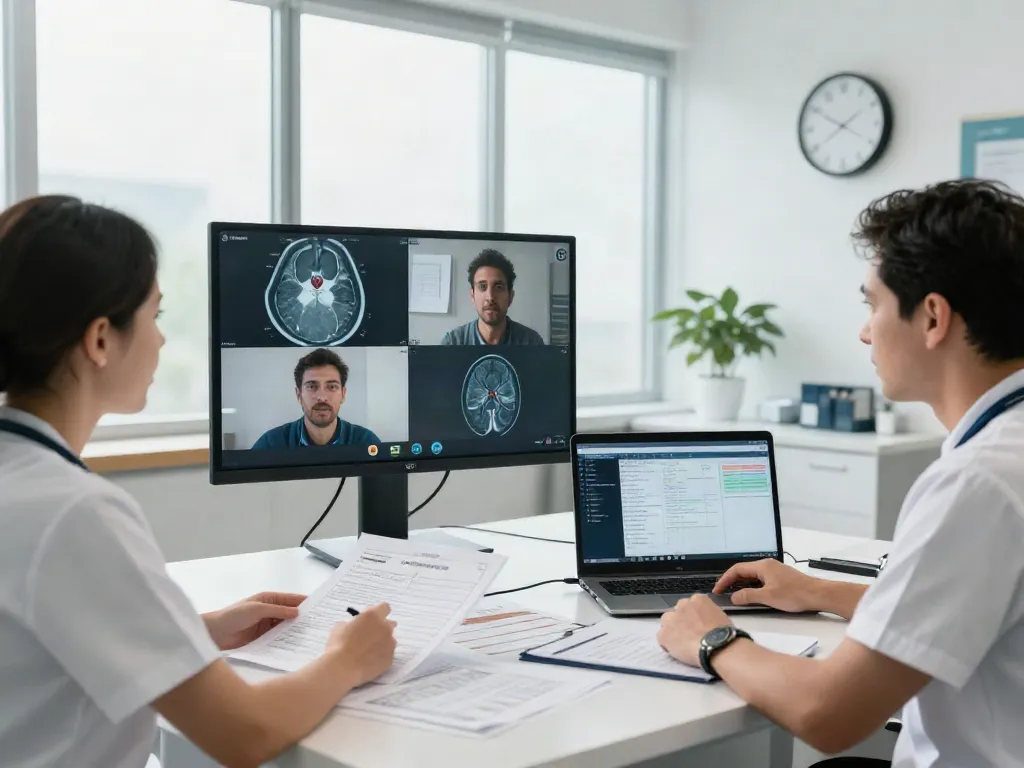
Understanding Telestroke Treatment
Telestroke treatment is a groundbreaking approach in the realm of stroke care, leveraging telemedicine technologies to extend specialized neurological services to patients, particularly in remote settings. By allowing healthcare providers to consult with stroke specialists in real time, Telestroke has the potential to significantly improve patient outcomes. As emergency situations can evolve rapidly, timely detection and intervention are critical, making the integration of this technology vital for effective stroke management. When exploring options, Telestroke treatment provides comprehensive insights into its applications and benefits for both patients and providers.
What is Telestroke Treatment?
Telestroke treatment involves the use of telecommunication technologies to provide remote diagnosis and management of stroke patients. This method connects emergency departments with neurologists who can assess and advise from afar, ensuring that patients receive optimal care even when specialists are not physically present. The process typically begins when a patient presents with stroke symptoms; emergency medical staff can initiate a connection with a neurologist who can evaluate the patient via video conferencing.
The Importance of Rapid Response in Stroke Care
Time is of the essence in stroke treatment, as every minute that passes can lead to increased brain damage. Rapid response to stroke symptoms can significantly affect recovery outcomes. Telestroke programs enable hospitals to administer critical medications, such as tissue plasminogen activator (tPA), much quicker than traditional methods, often before the patient even arrives at a facility with a stroke specialist. Studies have shown that patients receiving timely treatment through telestroke services often experience better outcomes and reduced disability rates.
Essential Technologies Used in Telestroke
The core technologies that facilitate telestroke programs include high-definition video conferencing systems, remote monitoring devices, and specialized software for managing patient data. These tools allow for real-time imaging and patient assessment, enabling neurologists to make informed decisions quickly. Additionally, electronic health records (EHR) integration ensures that patient histories and treatment plans are seamlessly accessible, which enhances the overall quality of care.
Benefits of Telestroke Treatment
Improving Patient Outcomes with Telemedicine
Telestroke treatment greatly improves patient outcomes by facilitating faster diagnosis and treatment initiation. With remote specialists stepping in at critical moments, patients are more likely to receive life-saving interventions within the crucial window of opportunity. According to recent studies, facilities implementing telestroke programs have reported a higher number of patients receiving timely tPA treatment, which can dissolve blood clots and restore blood flow to the brain.
Accessibility and Convenience for Remote Areas
One of the most significant advantages of telestroke treatment is its ability to provide access to specialized care in rural and underserved areas. Many regions lack immediate access to neurologists, and telestroke services bridge this gap by allowing local emergency teams to connect with experts. This model not only saves lives but also minimizes the need for long-distance patient transfers, which can be time-consuming and logistically challenging.
Real-Time Consultations and Their Impact
The ability to conduct real-time consultations with stroke specialists makes a substantial difference in treatment outcomes. Emergency departments can benefit from immediate access to expert guidance on diagnosis, treatment options, and patient management. This collaborative approach ensures that patients receive tailored care without delay, ultimately reducing complications associated with strokes.
Challenges in Implementing Telestroke Programs
Overcoming Technical Barriers
While the benefits of telestroke treatment are significant, implementing such programs is not without challenges. Technical barriers, including inadequate infrastructure and internet connectivity issues, can hinder the effectiveness of telestroke services. Hospitals must ensure that they have reliable video conferencing equipment and a robust network to support seamless communication between emergency staff and specialists.
Addressing Regulatory and Compliance Issues
Regulatory and compliance issues are another hurdle in the establishment of telestroke programs. Different states and countries have varied regulations regarding telemedicine, and healthcare providers must navigate these laws to ensure that they are compliant. Additionally, privacy concerns regarding patient data must be addressed to protect sensitive information during virtual consultations.
Training Healthcare Providers for Remote Consultations
Training is crucial for the successful implementation of telestroke programs. Healthcare providers must be well-versed in the use of telemedicine technologies and understand how to manage virtual consultations effectively. Regular training sessions and simulations can help staff become familiar with protocols and improve their comfort level in utilizing these systems during emergencies.
Best Practices for Successful Telestroke Programs
Integrating Telestroke into Existing Emergency Services
Successful telestroke programs are those that integrate seamlessly into existing emergency services. This integration requires collaboration among local hospitals, emergency medical services (EMS), and telemedicine providers. Establishing clear protocols and communication channels allows for efficient patient transfers and treatment.
Collaborating with Local Hospitals and Specialists
Collaboration with local hospitals and specialists is critical for the success of telestroke initiatives. Developing partnerships can enhance resource sharing and improve patient accessibility to stroke care. Joint training sessions can also foster relationships between local staff and remote specialists, strengthening teamwork and communication during real-time emergencies.
Utilizing Data to Measure Success and Improve Practices
Data collection is essential for measuring the effectiveness of telestroke programs. Hospitals should track key performance indicators, such as the time taken to initiate treatment, patient outcomes, and the rate of tPA administration. Analyzing this data can highlight areas for improvement and inform strategies for refining practices to enhance care delivery.
The Future of Telestroke Treatment
Emerging Trends and Technologies in Stroke Care
The landscape of stroke care is continuously evolving, with several emerging trends in telestroke treatment expected to shape its future. Advancements in artificial intelligence (AI) could allow for more precise diagnostics and treatment recommendations. Additionally, the integration of wearable devices that monitor stroke risk factors in real time could foster proactive management.
Preparing for 2026: What to Expect
By 2026, the telestroke landscape is expected to undergo significant transformations. As the technology becomes more refined, we can anticipate broader implementation across various healthcare systems. Enhanced training programs and curriculum focusing on telemedicine will be necessary to prepare the next generation of healthcare providers for telehealth practices. The increasing acceptance of remote consultations will likely lead to improved patient engagement and satisfaction.
Expert Insights on the Evolution of Telestroke
Experts in the field foresee the continued growth of telestroke programs as a vital component of modern stroke care. With ongoing advancements in technology and a push for better healthcare accessibility, telestroke treatment is poised to become an integral part of emergency medical responses. Ongoing research and investment in telemedicine will further bolster its capabilities, ultimately leading to better outcomes for stroke patients.
What is the success rate of Telestroke treatment?
The success rate of telestroke treatment varies based on numerous factors, including the timing of treatment initiation and the specific protocols employed by facilities. However, studies indicate that when telestroke services are implemented effectively, they can achieve success rates comparable to those of traditional in-person consultations.
How does Telestroke compare to traditional stroke treatment?
Telestroke treatment offers several advantages over traditional stroke treatment methods, primarily by reducing the time it takes to connect patients with specialists. This rapid intervention is crucial in stroke management, where every second counts. Studies show that telestroke patients often receive critical treatments faster than those undergoing traditional methods.
What are the prerequisites for hospitals to implement Telestroke?
To implement telestroke services, hospitals must invest in reliable telecommunications infrastructure, including high-speed internet and secure video conferencing systems. Additionally, staff training and collaboration agreements with stroke specialists are necessary for successful operations. Compliance with regulatory requirements is also essential to ensure proper patient care.
Can Telestroke treatment be used for all stroke types?
While telestroke treatment is highly effective for ischemic strokes, it may have limitations for hemorrhagic strokes, which require different management approaches. However, in many cases, telestroke can still facilitate rapid assessment and referral to appropriate treatment facilities.
What advancements are expected in Telestroke programs by 2026?
By 2026, advancements in telestroke programs may include AI-driven diagnostic tools, enhanced data analytics for patient tracking, and improved integration with emergency medical services. These innovations promise to streamline processes, boost efficiency, and enhance patient outcomes in stroke care.